








What Happens to Your Bottle After You Return It to a Reverse Vending Machine?
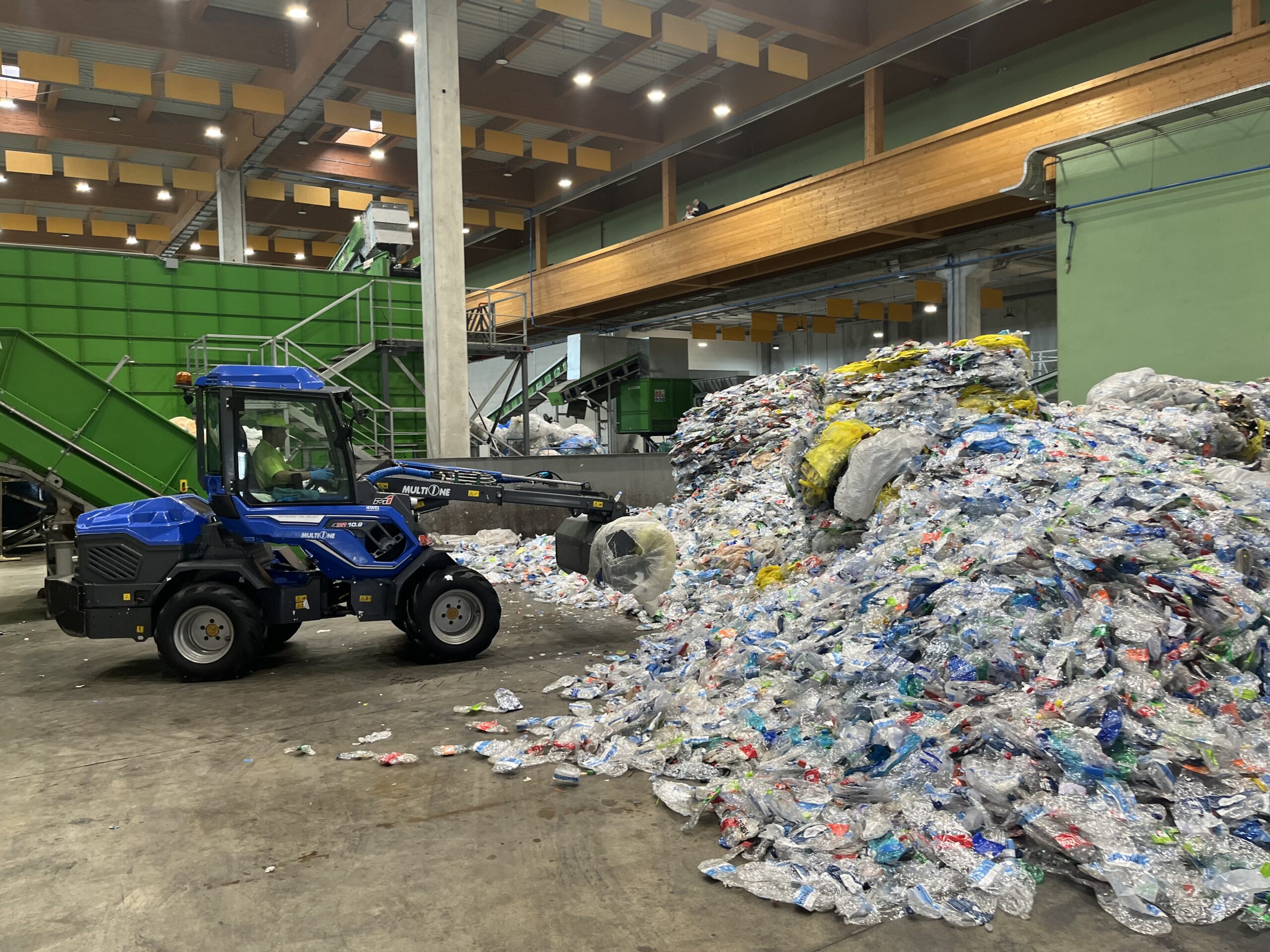
Have you ever wondered what happens to a plastic bottle or aluminium can after you return it to a reverse vending machine? While your journey ends when you receive your deposit refund, the journey of the packaging is only beginning.
Every returned bottle or can enters a carefully organised process involving collection, transportation, sorting, compacting and recycling. Through this process, used beverage containers can be transformed into valuable raw materials and eventually into new bottles and cans.
In Slovakia, the Deposit Return Scheme (DRS) has been operating since January 1, 2022, helping to collect PET bottles and beverage cans separately and ensuring that valuable materials remain in circulation.
Let’s follow the journey of a returned beverage container, step by step.
1. The First Step: Returning Your Bottle to a Reverse Vending Machine
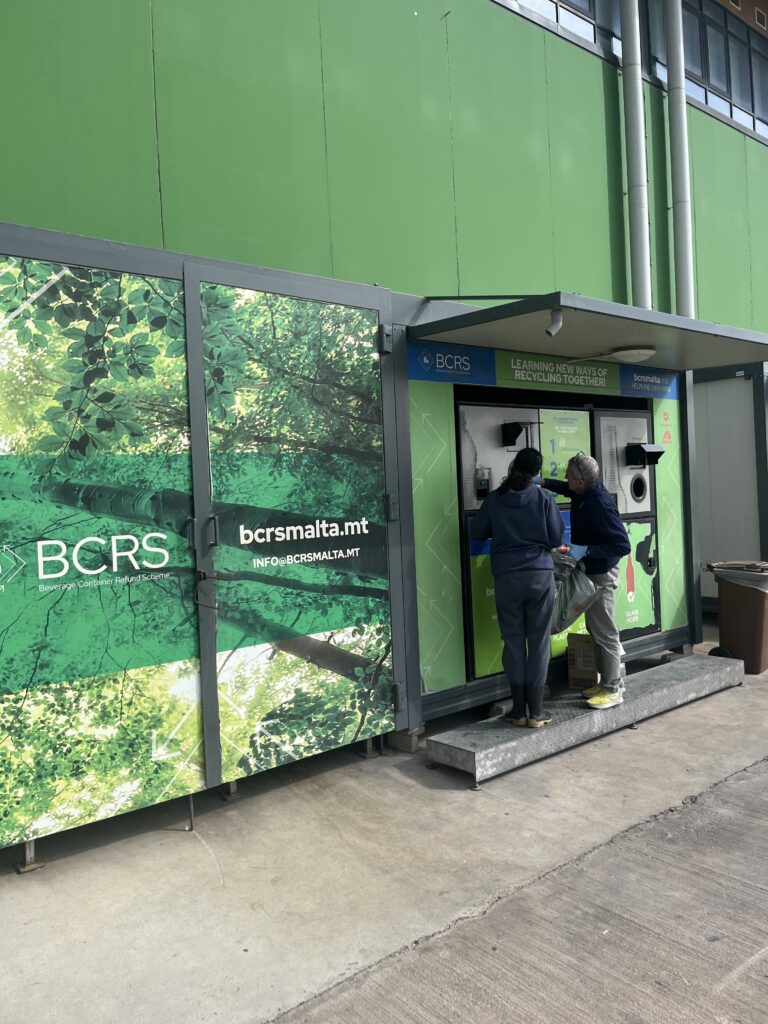
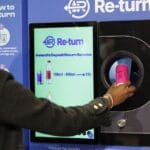
The recycling journey begins when you insert an empty PET bottle or aluminium can into a Reverse Vending Machine (RVM).
But what exactly happens inside the machine?
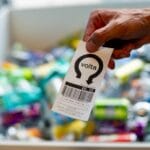
Once the container is inserted, the RVM uses identification technologies, including barcode scanners and sensors, to determine whether the packaging is eligible for the deposit return system.
The machine checks the container’s identifying characteristics and confirms whether it belongs to the registered beverage packaging system.
If the container is accepted, the machine records the return and, in many RVM configurations, mechanically compacts it.
This serves two important purposes:
- Reducing the volume of collected packaging.
- Preventing the same container from being returned multiple times for a deposit refund.
In Slovakia, consumers receive a deposit refund of €0.15 for each eligible beverage container.
Did you know? PET bottles and cans should be returned empty, uncrushed and with a readable barcode. This allows the reverse vending machine to identify them correctly before they are compacted.
2. Collection and Transportation: Where Do Returned Bottles Go?
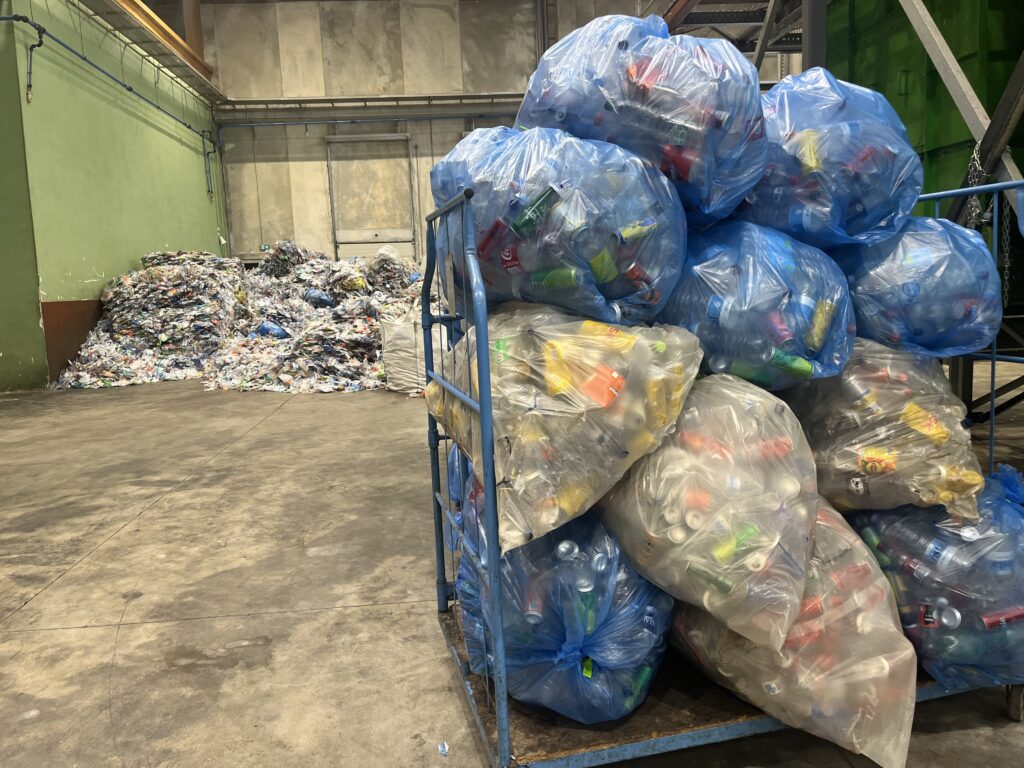
After being accepted by a reverse vending machine, bottles and cans are collected in dedicated bags or storage compartments.
Once these containers are full, store employees replace them and prepare the collected packaging for transportation.
The returned containers are then collected and transported through the logistics network of the Deposit Return Scheme.
Depending on the collection and logistics arrangements, the packaging may first arrive at an intermediate storage facility, where it is registered, handled and prepared for further processing.
Reducing the volume of transported packaging is particularly important for improving logistical efficiency. Compacted or baled materials require less storage space and allow larger quantities to be transported in fewer shipments.
Not all returned packaging comes from reverse vending machines.
Some smaller collection points accept containers manually. These containers are typically recorded by scanning their barcodes and may undergo additional verification and counting at a dedicated facility.
3. Inside the Sorting Centre: How Are PET Bottles and Cans Separated?
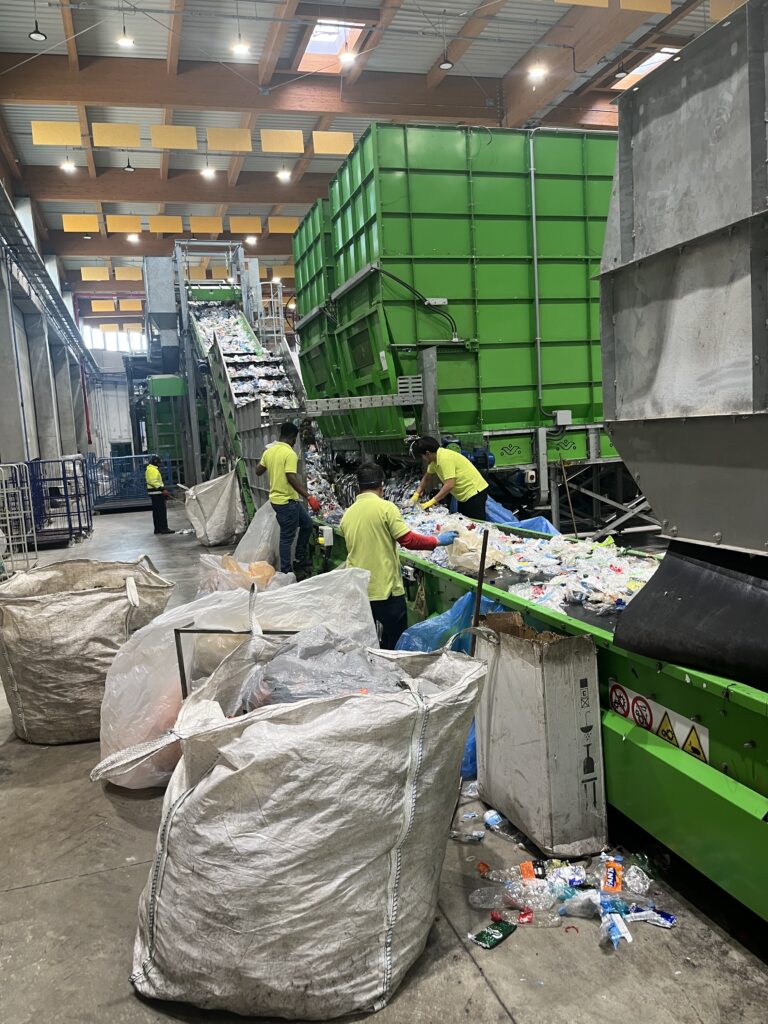
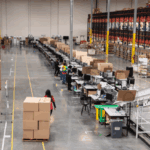
One of the most important stages in the recycling journey takes place at the sorting centre.
Here, collected beverage containers undergo several technological processes designed to separate materials and prepare them for recycling.
Step 1: Receiving and Feeding the Material
When collected packaging arrives at the sorting centre, it is received and prepared for processing.
Depending on how the containers were previously compacted, the material may need to be loosened and distributed evenly onto conveyor belts.
These conveyors transport the packaging through different stages of the automated sorting line.
Step 2: Removing Impurities and Unwanted Materials
Before the material can be properly separated, unwanted objects and impurities must be removed.
Sorting facilities can use mechanical screens, magnetic separators and other technologies to remove smaller particles, foreign materials and incorrectly sorted items.
This step helps improve the purity and quality of the material entering subsequent sorting operations.
Step 3: Optical Sorting of PET Bottles
One of the most technologically advanced stages is optical sorting.
Modern optical sorting machines use sophisticated sensors, including near-infrared (NIR) and visible-light detection systems, to identify different materials and colours.
PET bottles can be separated into different colour categories, such as:
- Clear or transparent PET
- Light blue PET
- Other coloured PET
Why is colour separation important?
Transparent PET is particularly valuable for producing new clear beverage bottles. Mixing it with coloured plastics can affect the appearance and quality of the recycled material.
Accurate sorting therefore plays a significant role in achieving high-quality recycled PET suitable for further processing.
Step 4: Separating Aluminium and Other Metals
Beverage cans require a different sorting process.
Metal separation technologies help distinguish aluminium from ferrous metals and other materials.
Magnetic separators remove ferrous materials, while eddy current separators can identify and separate non-ferrous metals such as aluminium.
The result is a more consistent stream of aluminium suitable for recycling.
Step 5: Quality Control
Depending on the sorting line configuration, additional automatic or manual quality checks may be carried out.
These checks help ensure that the separated material streams meet the required quality standards before further processing.
Important: The sorting centre generally does not convert PET bottles directly into recycled plastic pellets. Its primary purpose is to separate, prepare and compact materials before transporting them to specialised recycling facilities.
4. Compaction and Baling: Why Are Bottles Compressed into Large Blocks?
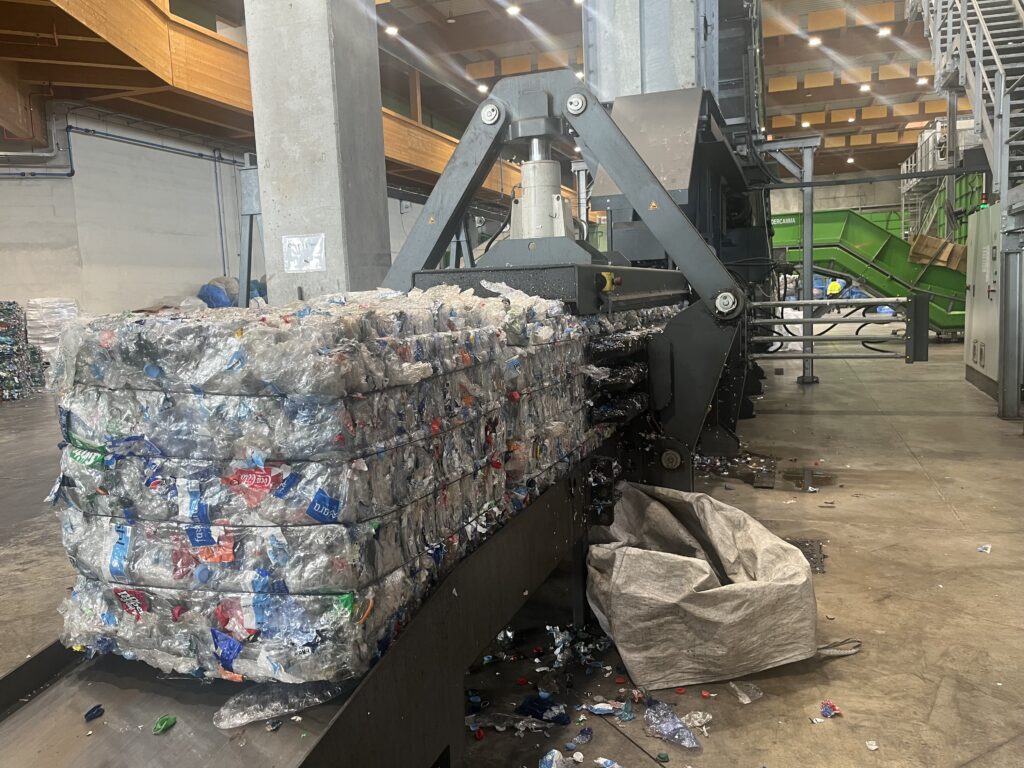
Once the materials have been separated, they are prepared for transportation to recycling companies.
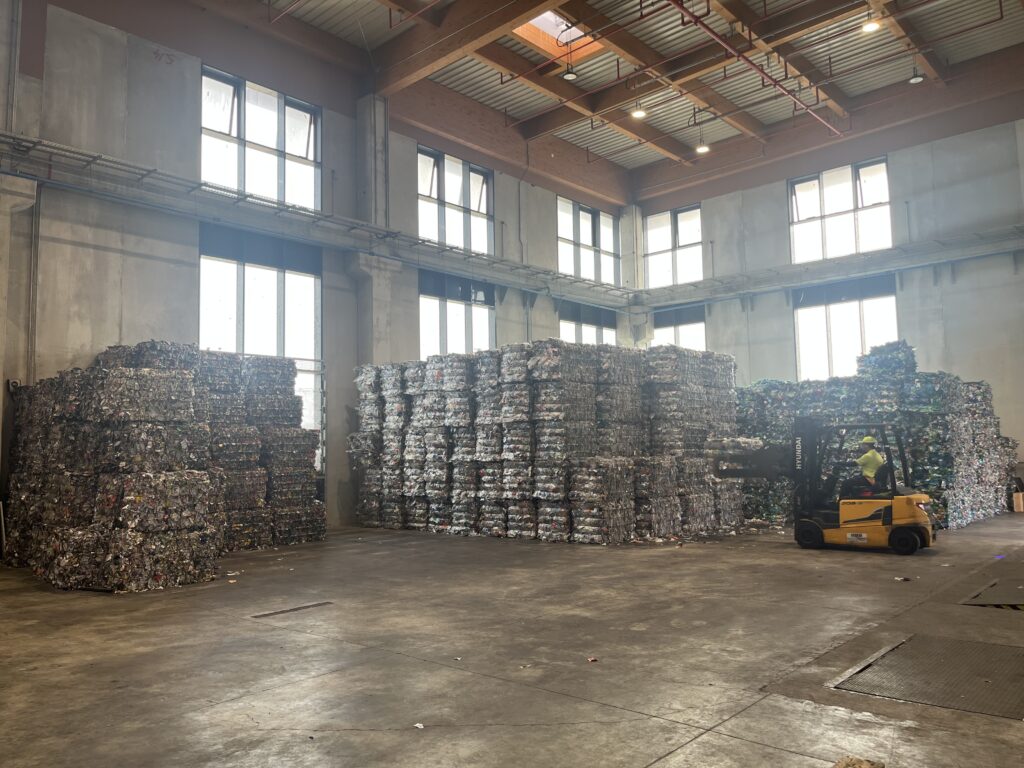
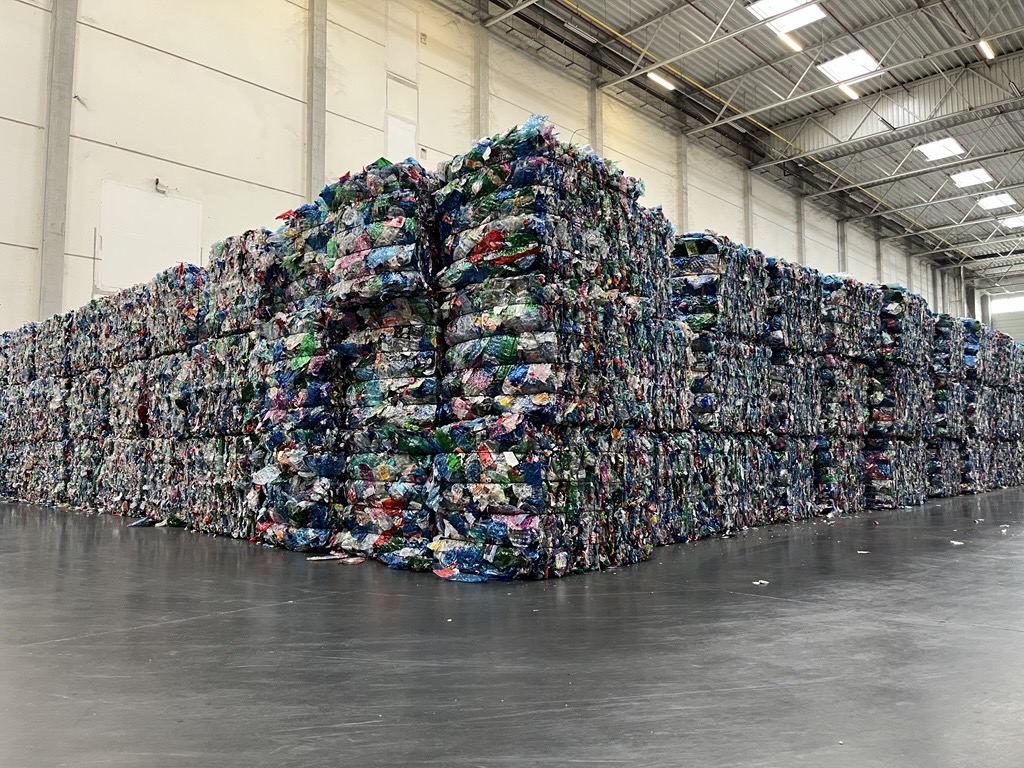
PET bottles and aluminium cans can be compressed into large, compact bales using industrial hydraulic presses.
These bales are secured to make handling, storage and transportation easier.
Compaction significantly reduces the volume of the collected packaging, allowing more material to be transported efficiently.
This is an important logistical step because transporting loose plastic bottles would require considerably more space.
Once the bales are ready, they are loaded onto trucks and transported to specialised recycling facilities.
5. PET Bottle Recycling: How Do Used Bottles Become Recycled Plastic Pellets?
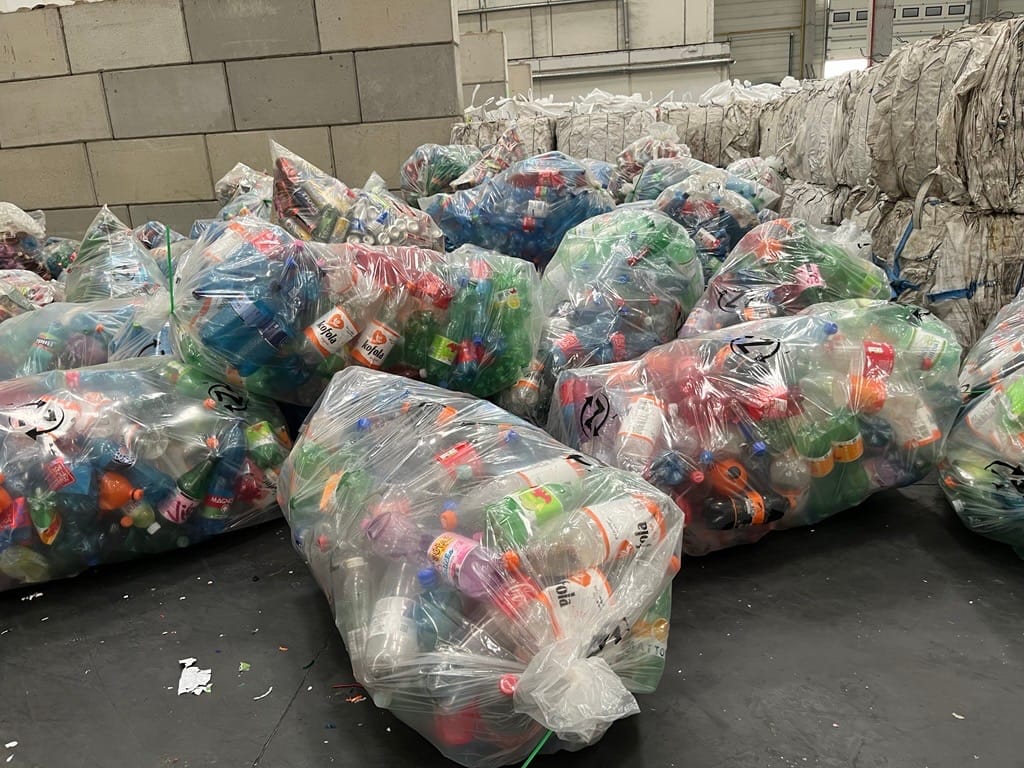
At the recycling facility, the next stage of the bottle’s journey begins.
The sorted PET material undergoes several processes that transform used bottles into recycled raw materials.
Shredding into PET Flakes
First, the bottles are mechanically shredded into small pieces known as PET flakes.
These flakes form the basis for further recycling.
Washing and Cleaning
The shredded material undergoes washing and separation processes to remove contaminants such as:
- Beverage residues
- Labels and adhesives
- Dirt and other impurities
- Different plastic materials, including those used for caps
Thorough cleaning is essential for producing high-quality recycled PET.
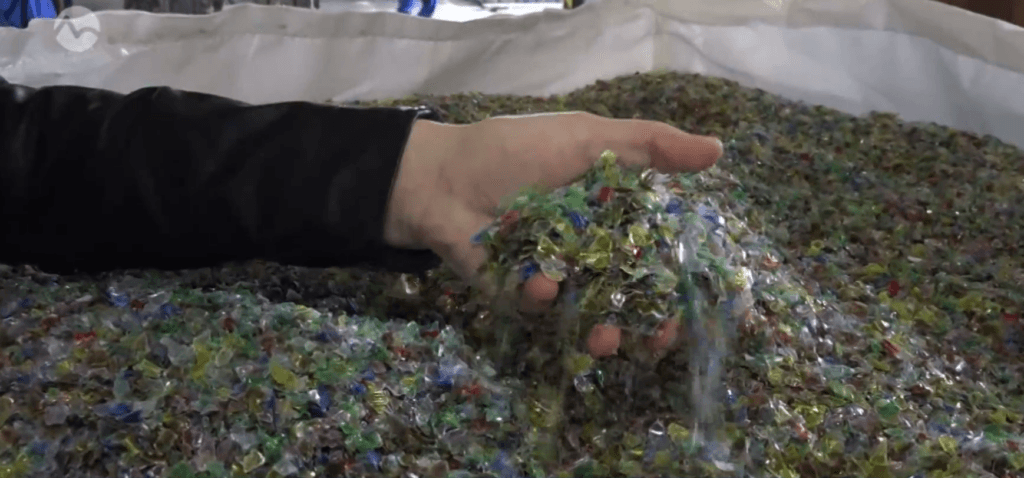
Producing Recycled PET (rPET)
The cleaned PET flakes can then undergo further processing, including melting, filtration and pelletising.
This produces small recycled plastic pellets, commonly referred to as rPET granules or pellets.
Depending on the recycling technology, additional decontamination and material treatment processes may be necessary, particularly when the recycled material is intended for food-contact applications.
From Recycled PET to a New Bottle
High-quality food-grade rPET can be used to manufacture new bottle preforms.
These preforms are subsequently heated and blown into the shape of new beverage bottles.
This process is known as bottle-to-bottle recycling.
It allows material from used beverage bottles to return to the market as new packaging, helping reduce the need for virgin plastic.
6. Aluminium Can Recycling: From Used Cans to New Aluminium Products
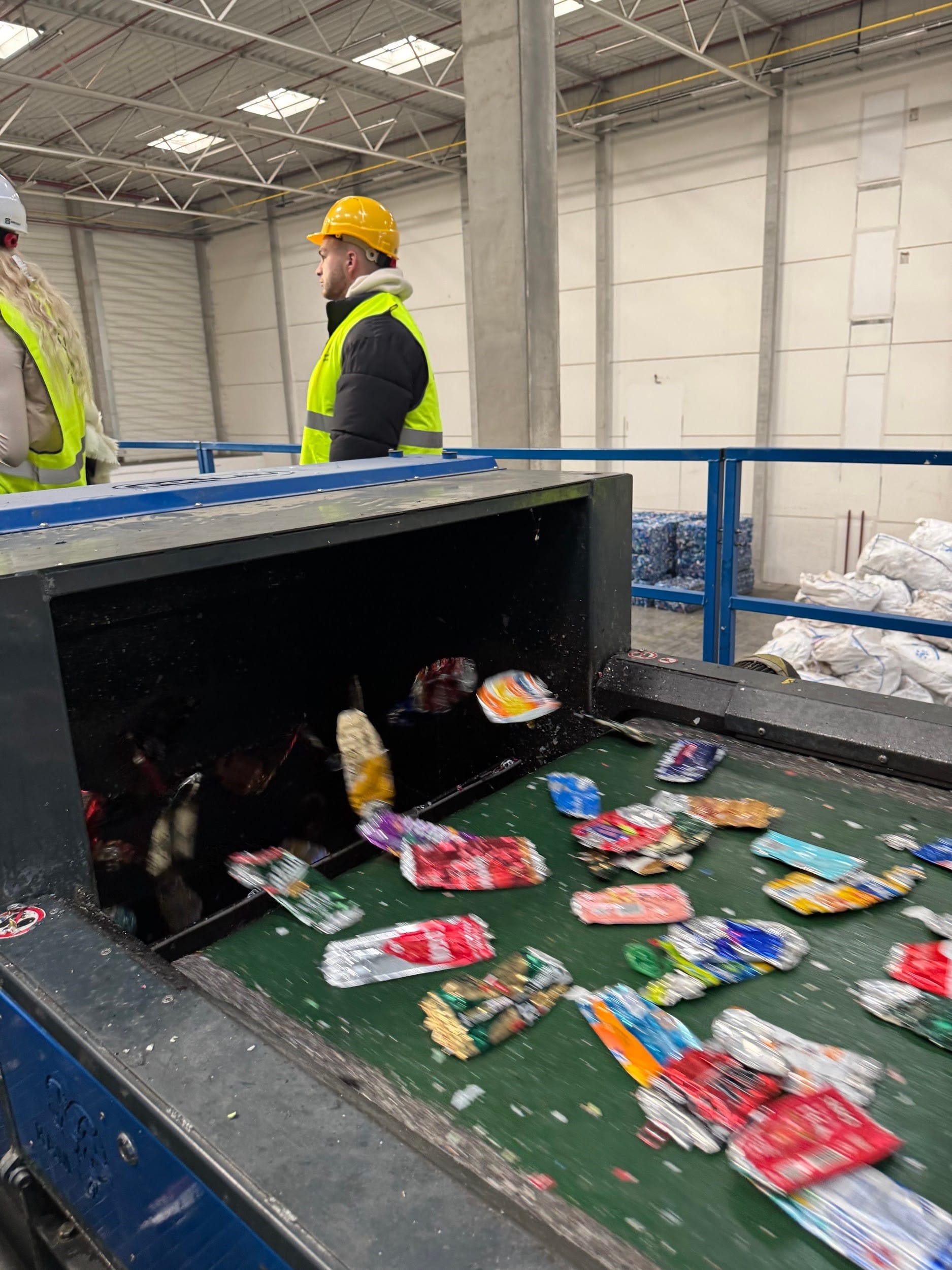
Aluminium cans follow a different recycling process from PET bottles.
After collection, sorting and preparation, the aluminium is transported to a metal recycling facility.
There, it undergoes further treatment before being melted and refined.
The recycled aluminium can then be processed into new aluminium products, including sheets used for manufacturing beverage cans.
Unlike PET, aluminium does not need to be converted into plastic pellets. Instead, it is recovered and reused as metal.
One of aluminium’s major advantages is its ability to be recycled repeatedly without losing its fundamental material properties, provided that appropriate processing and quality control are maintained.
This makes aluminium a valuable material in the circular economy.
7. Why Is the Deposit Return Scheme Important for Recycling?
The purpose of a Deposit Return Scheme goes beyond returning a small amount of money to consumers.
Its broader objective is to support the separate collection of beverage packaging and improve the availability of high-quality recyclable materials.
Separately collected PET bottles and aluminium cans are less likely to be mixed with other types of household waste, reducing contamination and supporting more efficient recycling.
The benefits of a well-functioning DRS include:
- Higher collection rates for eligible beverage containers.
- Reduced littering of PET bottles and cans.
- Improved separation and quality of recyclable materials.
- Increased opportunities for bottle-to-bottle and can-to-can recycling.
- Reduced dependence on virgin raw materials.
- Support for circular economy principles.
By encouraging consumers to return their empty beverage containers, the system helps keep valuable packaging materials in circulation.
8. Closing the Loop: From an Empty Bottle to a New Beginning
The journey of a PET bottle or aluminium can is far more complex than it may initially appear.
What starts with a simple action — inserting an empty beverage container into a reverse vending machine — continues through collection, transportation, sophisticated sorting technologies, compaction and recycling.
At the end of this journey, the recovered materials can become new bottles, new cans or other useful products.
And once those new beverage containers have been used, the process can begin again.
The next time you return an empty bottle or can, remember: its journey doesn’t end at the reverse vending machine. It’s just the beginning of a new lifecycle.
FAQ
The reverse vending machine identifies and records the container, then typically compacts it. The collected bottles are transported for sorting, separated by material and colour, compacted into bales and sent to recycling facilities, where they can be processed into recycled PET.
Reverse vending machines need to recognise the bottle’s shape and read its barcode. Crushing it beforehand may prevent the machine from identifying the container correctly.
Recycled PET can be used to manufacture new beverage bottles, food packaging, polyester fibres and other plastic products. When it meets applicable food-contact requirements, rPET can be used to produce new beverage bottles.
Reverse vending machines need to recognise the bottle’s shape and read its barcode. Crushing it beforehand may prevent the machine from identifying the container correctly.
Aluminium can be recycled repeatedly without losing its fundamental material properties. However, the quality of the recovered material depends on proper sorting, processing and contamination control.
Reverse vending machines need to recognise the bottle’s shape and read its barcode. Crushing it beforehand may prevent the machine from identifying the container correctly.
A reverse vending machine collects and identifies eligible beverage containers and arranges the deposit refund. Recycling machinery processes the collected materials into reusable raw materials. These are different stages of the recycling value chain.
A Deposit Return Scheme is a collection system that encourages consumers to return beverage packaging by providing a refundable deposit. Recycling is the subsequent industrial process that transforms the collected materials into new raw materials.
No. In the Deposit Return Scheme, PET bottles should be returned empty, uncrushed, with their caps attached and barcodes readable. Labels containing the barcode should not be removed.
PET can be recycled multiple times, but material quality may change during repeated processing. There is no universal fixed number of cycles; recyclability depends on the technology, contamination levels and required material quality.
The container may still enter a recycling process, but you will lose your €0.15 deposit refund. It will also bypass the dedicated DRS collection stream, which is designed to provide separately collected beverage packaging for high-quality recycling.
Latest waste library articles
-

Top 5 Challenges in e-waste collection and how to overcome them
Waste Collection -

How to recycle e-waste?
How to recycle? -
ESG Reporting made clear: Compliance & best practices
Factory Waste Management -

Overview of the PRO Landscape in the USA and Canada: Producer Responsibility Organizations
Extended Producer Responsibility (EPR)
-
Top 5 Challenges in e-waste collection and how to overcome them
Waste Collection -
How to recycle e-waste?
How to recycle? -
ESG Reporting made clear: Compliance & best practices
Factory Waste Management -
Overview of the PRO Landscape in the USA and Canada: Producer Responsibility Organizations
Extended Producer Responsibility (EPR)
Smart Waste Newsletter
Get monthly updates from our company and the world of waste!