









Overview of the PRO Landscape in the USA and Canada: Producer Responsibility Organizations
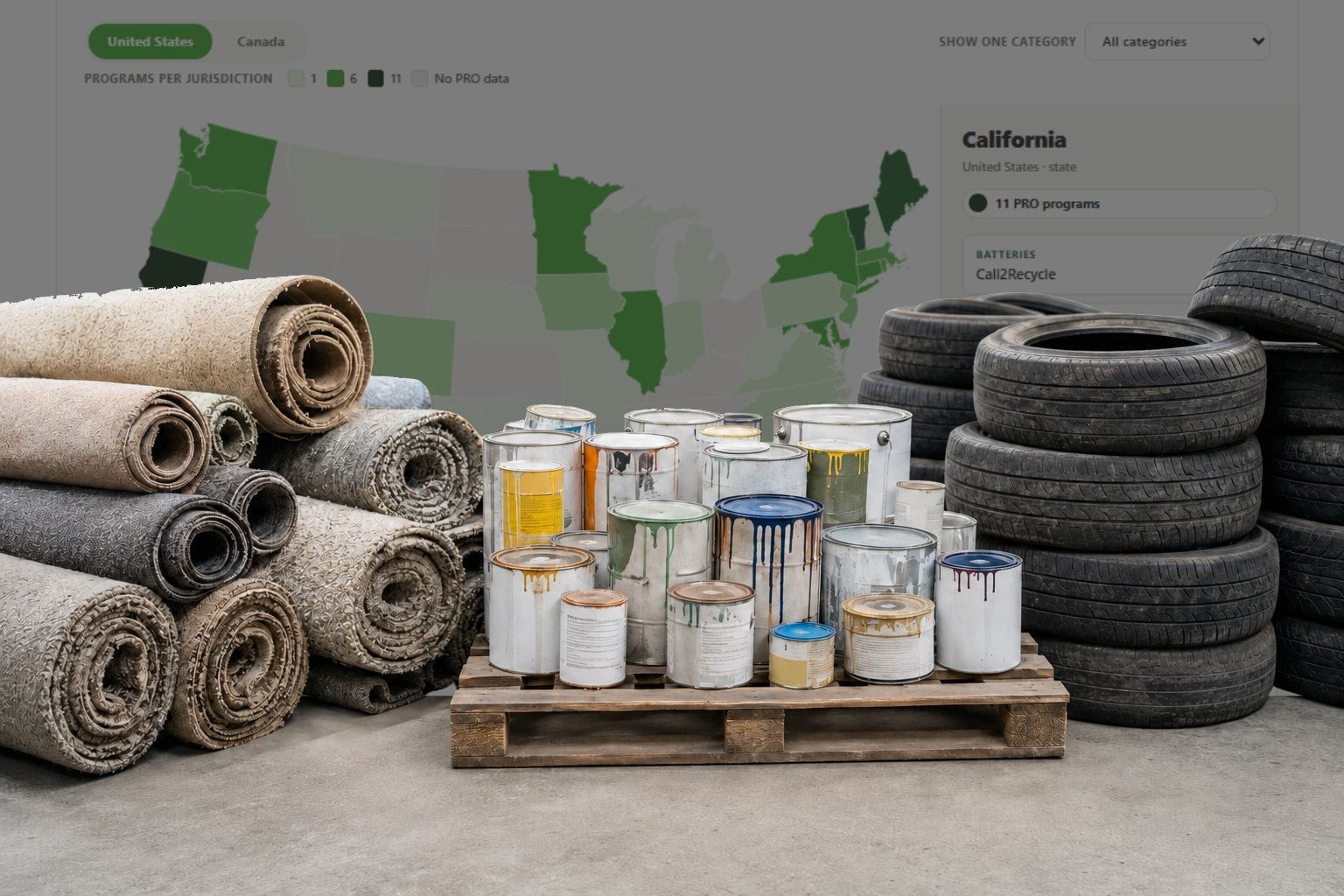
Producer Responsibility Organizations, commonly known as PROs, are the operational backbone of many Extended Producer Responsibility programs. A PRO is typically an industry-funded organization that helps producers meet their legal obligations under EPR rules by organizing collection, recycling, reporting, education, fee management and compliance activities on their behalf.
A PRO should not be confused with an EPR bill, a policymaking organization such as the Product Stewardship Institute, or a government agency such as CalRecycle.
- An EPR bill is the legal instrument that creates the obligation.
- A PRO is the organization that implements the program once the obligation exists.
- The Product Stewardship Institute is not a PRO or regulator; it acts more like a policy architect, convener and knowledge hub for EPR systems, helping governments and stakeholders design and track producer responsibility policies.
- CalRecycle, by contrast, is California’s state regulator and administrator: it writes and enforces rules, approves and oversees PROs, collects data and can issue compliance actions.
What is EPR?
Extended Producer Responsibility is a policy approach that shifts part or all of the financial and operational responsibility for end-of-life product management from municipalities and taxpayers to producers. In practice, this means producers may have to fund collection, recycling, public education, reporting and performance improvements for products or packaging they place on the market.
- In the United States, there is no single national EPR law; instead, many states have created their own EPR rules for different product categories. According to the provided research, 23 U.S. states have no statewide EPR law identified: Alabama, Alaska, Arizona, Arkansas, Delaware, Florida, Georgia, Idaho, Iowa, Kansas, Kentucky, Louisiana, Mississippi, Montana, Nebraska, Nevada, New Hampshire, New Mexico, North Dakota, Ohio, South Dakota, Tennessee and Wyoming.
- The top U.S. EPR categories by state adoption in the research are electronics in 25 states, mercury thermostats in 13 states, mercury auto switches in 13 states, paint in 12 states and pharmaceuticals or medicine take-back in 8 states.
Why PROs matter more than ever
The PRO landscape is becoming increasingly important because EPR laws are moving from policy discussion into compliance, reporting and program implementation. For producers, this changes the question from “Is there an EPR law?” to “Which PRO do we need to work with, in which jurisdiction, for which product category, and by when?”
In the USA, the PRO landscape is still fragmented by product category and state. Some categories are dominated by a single national or near-national operator, such as PaintCare for paint, Call2Recycle for batteries, Mattress Recycling Council for mattresses, CARE for carpet and Circular Action Alliance (CAA) for packaging. Others, especially electronics and pharmaceuticals, are more distributed and may involve several approved operators, reporting systems or state-specific structures.
In Canada, the PRO ecosystem is generally more mature and more centralized across provinces. The attached PRO table shows broader provincial coverage for organizations such as Circular Materials, Call2Recycle Canada, Product Care Recycling, EPRA / Recycle My Electronics, Recycle BC, Éco Entreprises Québec and several tire stewardship organizations.
What the attached PRO table shows
The attached table identifies 32 listed organizations or programs across the USA and Canada. Of these, 21 are Canadian, 11 are U.S.-based, and one listed solar panel program is voluntary and explicitly marked as not a true EPR PRO.
By category, the table shows the strongest PRO density in tires and packaging, with six entries each. Paint appears four times, batteries twice, electronics twice, lighting twice and mercury thermostats twice. Other categories, such as carpet, mattresses, mercury auto switches, pharmaceuticals, medical sharps, agricultural pesticides, household hazardous waste and solar panels, are represented by one major organization or program each.
This distribution matters because it shows a central market truth: PRO maturity is not the same across waste streams. Paint, batteries, mattresses and carpet tend to have identifiable specialist PROs. Packaging is rapidly centralizing around CAA in the USA and around several established PROs in Canada. Electronics remains broader and more decentralized, especially in the USA. Tires are far more developed in Canada than in the U.S. PRO landscape.
Major Producer Responsibility Organizations in the USA and Canada by EPR Category, Jurisdiction, Collection Volume and Program Coverage
This table provides a practical overview of the main PROs active across North America, including their product categories, geographic coverage and annual collection volumes if available.
Strategic takeaways for producers
The first takeaway is that PRO compliance is becoming a market access issue. For packaging, producers selling into states such as California, Colorado, Oregon, Minnesota, Maryland and Washington increasingly need to understand Circular Action Alliance (CAA) registration, reporting and fee timelines. CAA’s own resources position the organization as the central compliance partner for paper and packaging EPR in several states.
The second takeaway is that Canada is ahead in multi-category operational coverage. While the USA has many EPR laws, Canada has a denser network of provincial PROs across packaging, batteries, electronics, paint, tires, oil, hazardous products and agricultural materials.
The third takeaway is that collection data varies heavily by category. Some PROs publish strong annual and cumulative metrics, such as Call2Recycle, PaintCare, CARE, MRC, Recycle BC and EPRA. Others disclose less standardized public data, making direct comparisons difficult. The table correctly flags this issue through its data availability score.
The final takeaway is that PROs are not just compliance administrators. The strongest PROs shape collection infrastructure, consumer behavior, recycling markets, reporting standards and producer cost exposure. As EPR expands, PRO selection, data quality and program design will become increasingly important for producers, regulators and municipalities.
Key PRO categories in the USA and Canada
Packaging PROs
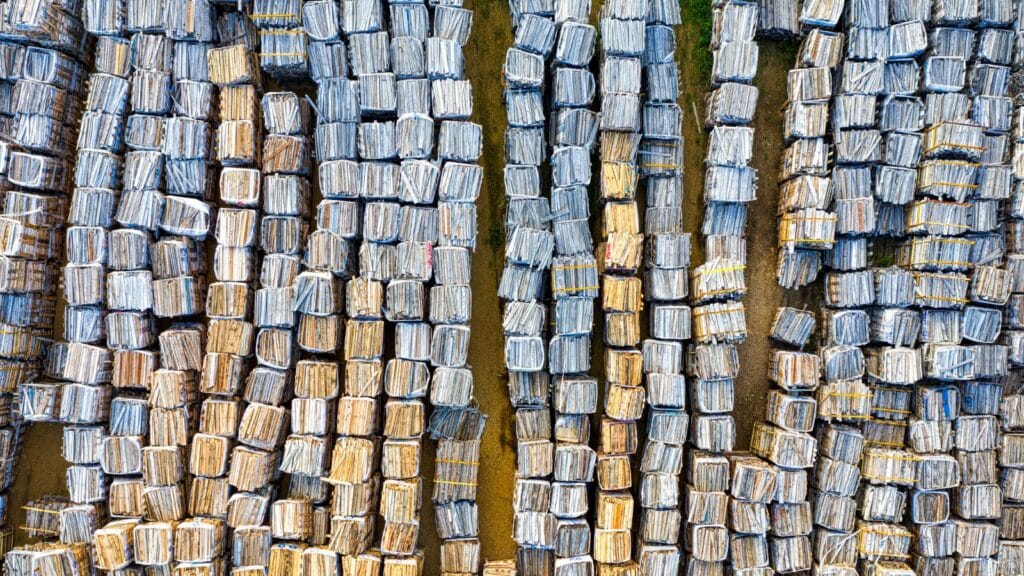
Packaging is now the fastest-moving PRO category in North America. In the USA, Circular Action Alliance (CAA) is the leading packaging PRO. CAA states that it is the only organization approved to implement U.S. EPR laws for paper and packaging and that it operates as the single PRO in California, Colorado, Maryland, Minnesota, Oregon and Washington. Its producer registration resources currently focus on California, Colorado, Oregon and Minnesota obligations, while newer state programs continue to move through implementation.
Canada has a more developed packaging PRO structure. The attached table identifies Recycle BC in British Columbia, Éco Entreprises Québec in Québec, Circular Materials across multiple provinces and territories, Ryse Solutions in Ontario and Multi-Material Stewardship Manitoba in Manitoba. The table also reports that Recycle BC managed more than 208,000 tonnes in 2024, while Éco Entreprises Québec is associated with approximately 791,000 tonnes in 2025.
Battery PROs
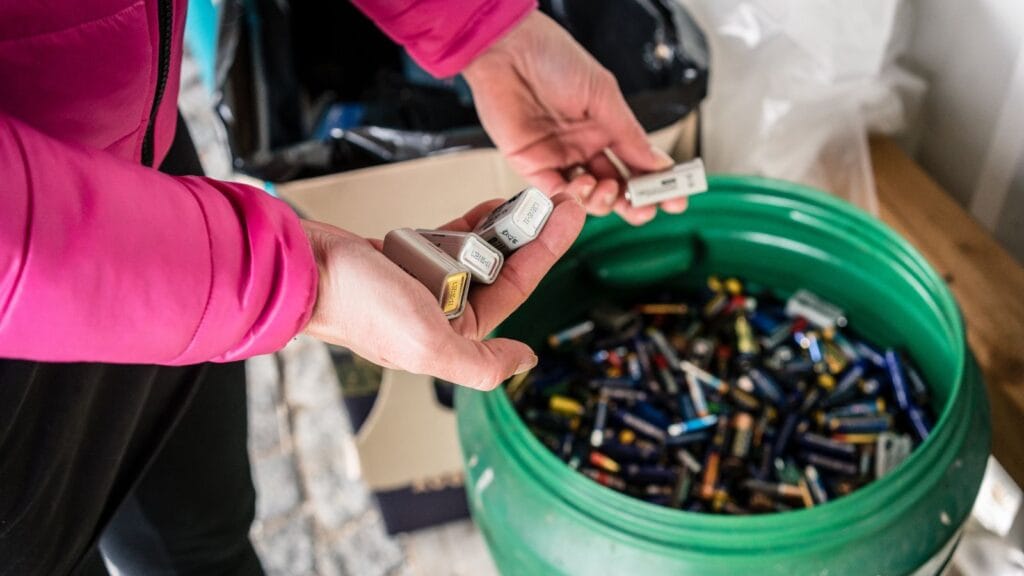
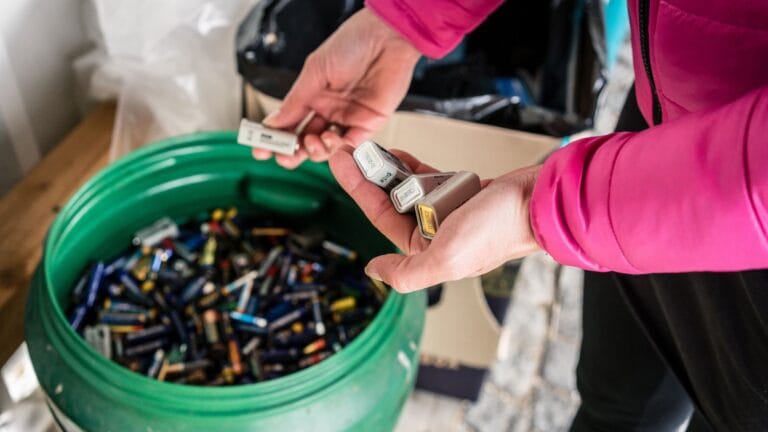
Battery stewardship is one of the clearest examples of a centralized PRO model. In the USA, Call2Recycle operates nationally as a voluntary program and also supports EPR-mandated jurisdictions such as Vermont and Washington, D.C. The attached table reports more than 8 million pounds collected annually in the USA and more than 145 million pounds collected cumulatively.
In Canada, Call2Recycle Canada is even more central to regulated battery collection. It reported 6.8 million kg of used batteries recycled in 2024, a 17% increase over 2023. The Canadian batter PRO also notes 15,000+ Canadian collection sites and more than 60 million kg collected cumulatively since 1997.
Paint PROs
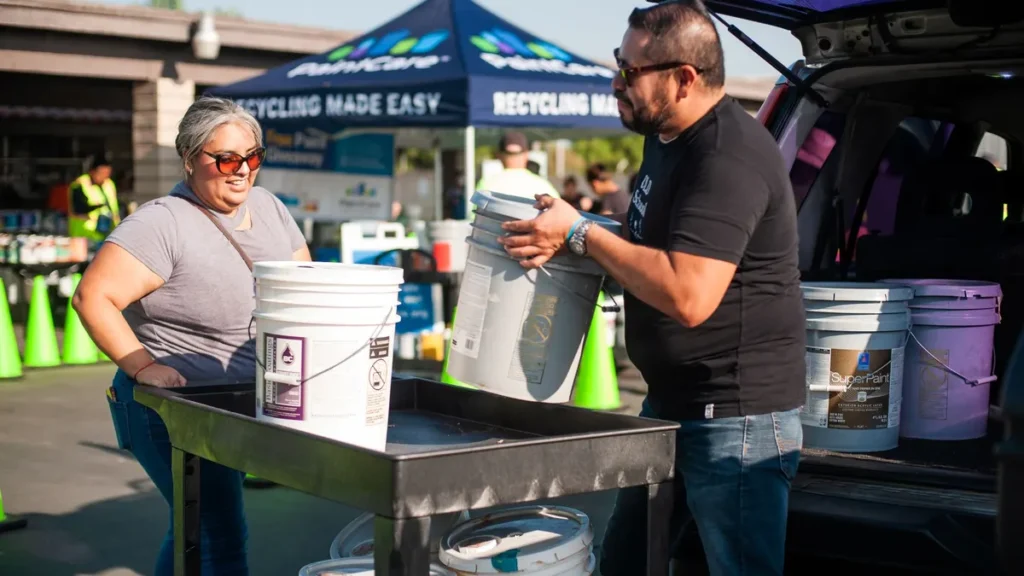
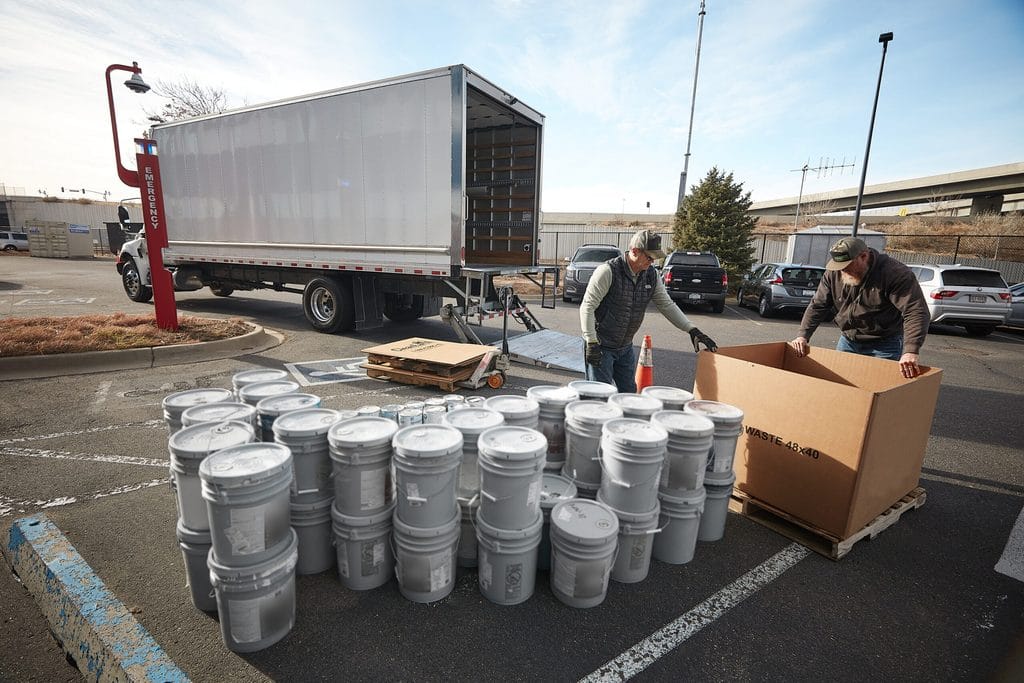
Paint is one of the most mature EPR categories in the USA. PaintCare operates paint stewardship programs in multiple states and the District of Columbia. The attached table lists active PaintCare coverage in California, Colorado, Connecticut, D.C., Maine, Minnesota, New York, Oregon, Rhode Island, Vermont and Washington, with more than 8 million gallons collected annually and more than 89 million gallons collected cumulatively.
The program model is straightforward: producers fund the system through fees on new paint sales, and the PRO maintains a collection network through retailers, local governments and other sites. PaintCare says its District of Columbia program alone has managed more than 300,000 gallons of paint, stain and varnish since launch in 2016.
Electronics PROs
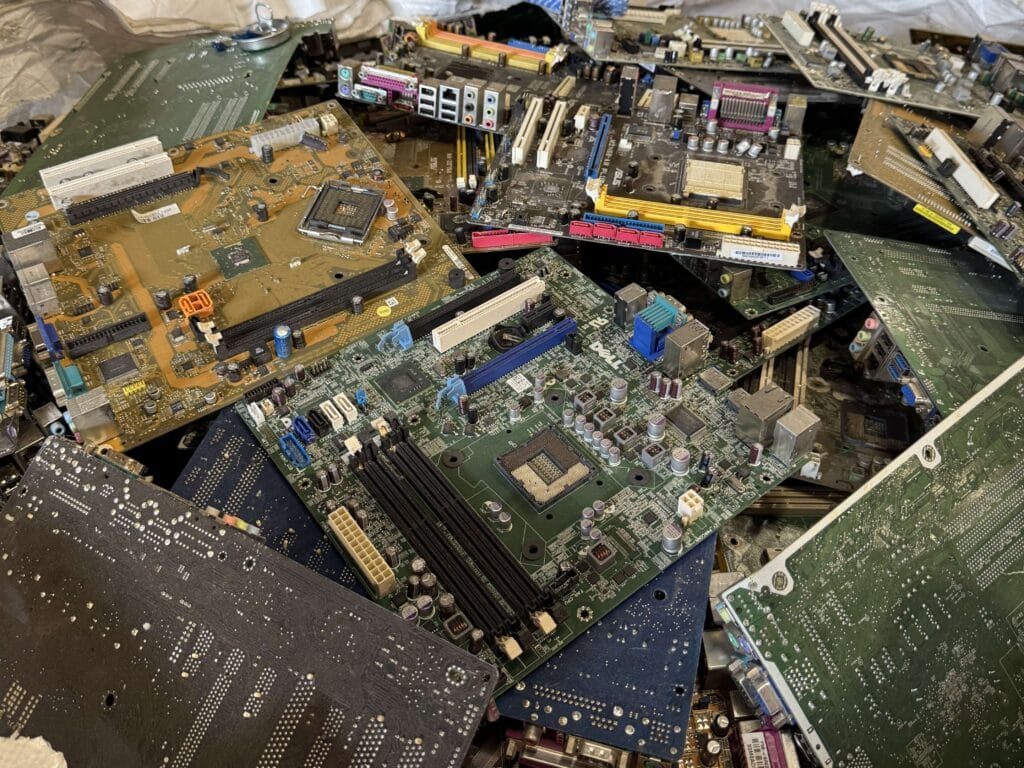
Electronics EPR is widespread in the USA, but the PRO structure is less centralized than packaging, paint or batteries. The research identifies electronics as the most adopted U.S. EPR category, with laws in 25 states. In practice, electronics programs often involve manufacturer obligations, state registration, approved recyclers and reporting entities rather than one dominant national PRO.
Canada is more consolidated in this category. Electronic Products Recycling Association / Recycle My Electronics operates across nine provinces in the attached table and reports more than 1.4 million tonnes diverted since 2007.
Mattress and carpet PROs
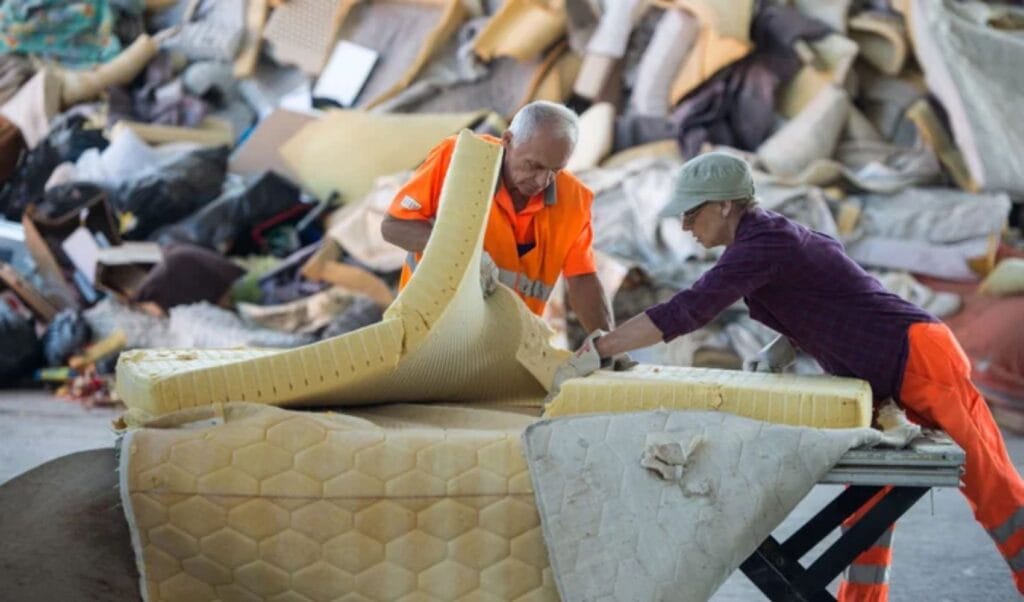
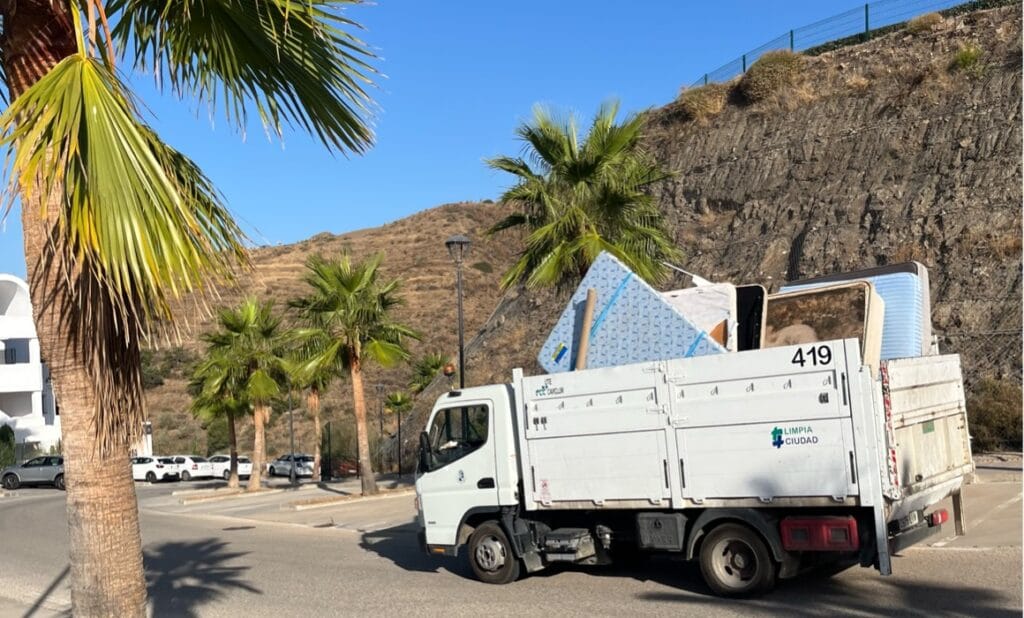
Mattresses and carpet show how PROs can be built around difficult-to-manage bulky or material-complex products. In mattresses, the Mattress Recycling Council operates the Bye Bye Mattress program in California, Connecticut, Oregon and Rhode Island. The attached table reports around 2 million mattresses recycled per year, more than 15 million mattresses cumulatively and around 500 drop-off sites. MRC reported that Connecticut alone collected 212,789 mattresses and foundations during the 2024–2025 fiscal year.
For carpet, Carpet America Recovery Effort is the key PRO, especially in California. CARE’s 2024 California annual report showed 74.9 million pounds diverted from landfill and a 13% increase from 2023. The attached table reports even broader lifetime impact, including more than 5 billion pounds of carpet diverted cumulatively in the USA.
Pharmaceuticals and medical sharps
Pharmaceutical take-back and medical sharps programs are important but less standardized than paint or packaging. In the USA, MED-Project and Inmar Intelligence are among the key operators. Washington’s Safe Medication Return program, for example, requires drug manufacturers to fund the program through approved key operators mentioned above, such as MED-Project or Inmar Intelligence.
The attached table lists MED-Project activity in California, Washington, Oregon, New York and local jurisdictions, as well as a separate California medical sharps program. This category is especially important because it connects EPR not only with recycling, but also with public health, safe disposal and contamination prevention.
Tires, oil, hazardous products and other categories in Canada
Canada’s PRO landscape extends beyond the categories that dominate U.S. EPR discussion. The attached table includes multiple Canadian tire stewardship programs, such as Tire Stewardship BC, ARMA Tires, Tire Stewardship of Saskatchewan, Tire Stewardship Manitoba, eTracks Tire Management Systems and Atlantic Canadian programs. It also includes Cleanfarms for agricultural plastics and pesticides, Product Care Recycling for household hazardous waste, and provincial used-oil or antifreeze systems.
This makes Canada a useful benchmark for what a more mature, multi-category PRO ecosystem can look like: fewer gaps, broader product coverage and stronger provincial program infrastructure.
FAQ
A PRO, or Producer Responsibility Organization, is an organization that manages EPR obligations on behalf of producers. It may handle collection, recycling, fee management, reporting, education and compliance support.
No. An EPR law creates the legal obligation. A PRO helps producers comply with that obligation.
No. PSI is a nonprofit policy, facilitation and research organization. It supports EPR development and tracks legislation, but it does not operate producer-funded recycling programs as a PRO.
No. CalRecycle is a California government agency. It regulates, approves and oversees programs and PROs; it does not function as an industry-run PRO.
Circular Action Alliance is currently the most important packaging PRO in the USA. It is approved or designated across several packaging EPR states, including California, Colorado, Maryland, Minnesota, Oregon and Washington.
Call2Recycle is the key battery stewardship organization in both the USA and Canada. Call2Recycle Canada reported 6.8 million kg of batteries recycled in 2024.
Paint, batteries, mattresses, carpet and packaging have some of the clearest PRO structures. Electronics and pharmaceuticals are important but often more fragmented by state, operator or reporting model.
Canada has broader provincial EPR systems and established stewardship organizations across more product categories, including packaging, electronics, batteries, tires, paint, oil, hazardous products and agricultural materials.
Because EPR compliance increasingly depends on joining the correct PRO, submitting product or packaging data, paying fees and meeting reporting deadlines. Missing these obligations can create compliance, financial and reputational risk.
Latest waste library articles
-

How might the Deposit Return Schemes look like in future?
Deposit Return System -

Insights into e-waste: history, current data, statistics, and the environmental impact of WEEE
Environment -

Why businesses are turning to integrated smart waste management
Smart Waste Management -
EPR’s Role in US Waste Management and Policy Evolution
Extended Producer Responsibility (EPR)
-
How might the Deposit Return Schemes look like in future?
Deposit Return System -
Insights into e-waste: history, current data, statistics, and the environmental impact of WEEE
Environment -
Why businesses are turning to integrated smart waste management
Smart Waste Management -
EPR’s Role in US Waste Management and Policy Evolution
Extended Producer Responsibility (EPR)
Smart Waste Newsletter
Get monthly updates from our company and the world of waste!