










6 surprising Deposit Return Scheme (DRS) stats you need to know
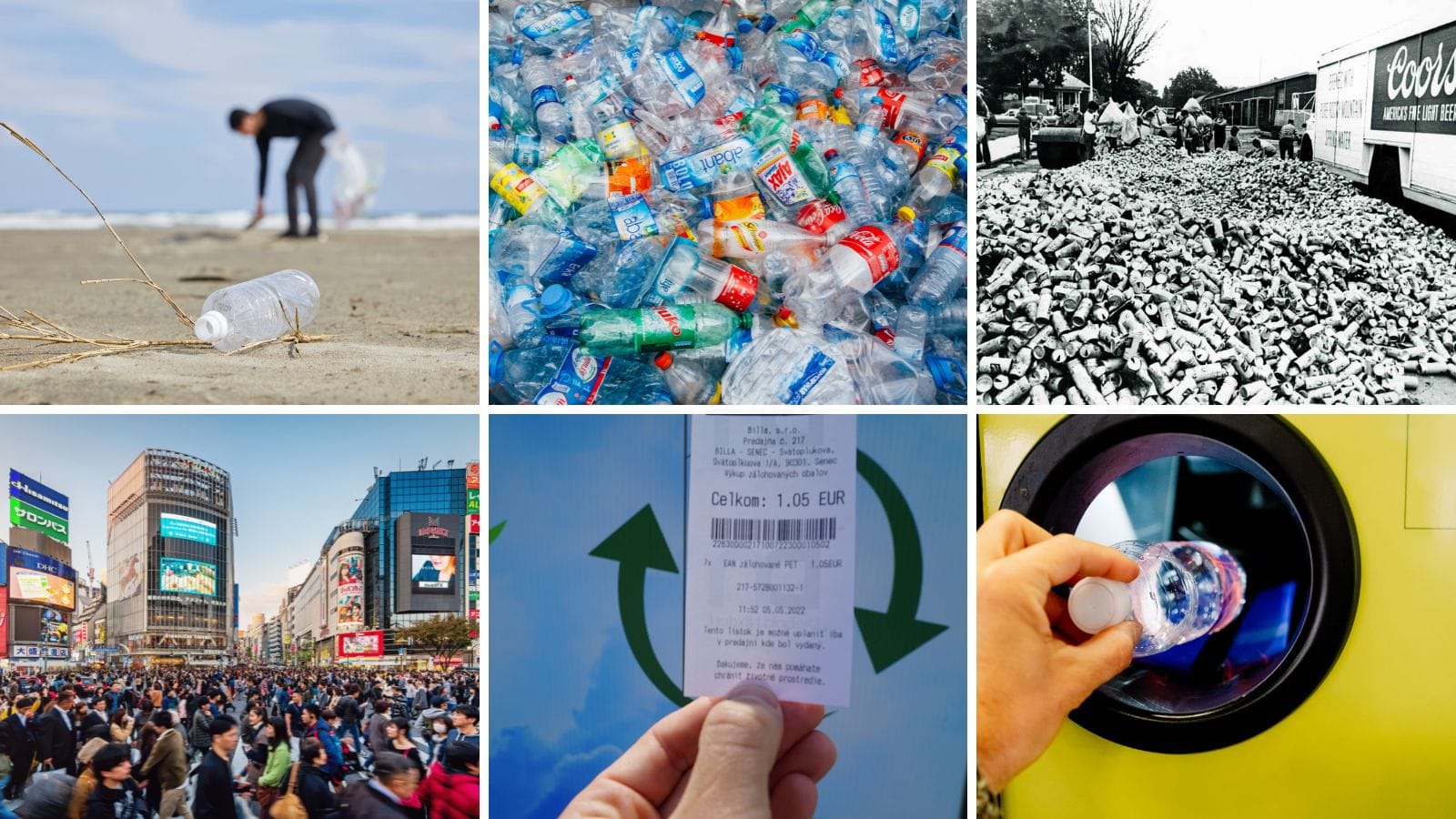
A Deposit Return Scheme (DRS) is one of the most effective tools in the circular economy. By incentivizing the return of single-use packaging like PET bottles and aluminum cans, these systems significantly boost recycling rates.
While most of us interact with these systems as consumers, the data behind them is often staggering. From “professional recyclers” earning a living to the massive reduction in urban litter, here are six numbers that reveal the true impact of DRS worldwide.
$116.42
How much can you earn by collecting empty containers for 30 days?
While most people return their own bottles, some have turned “gleaning” into a serious source of income.
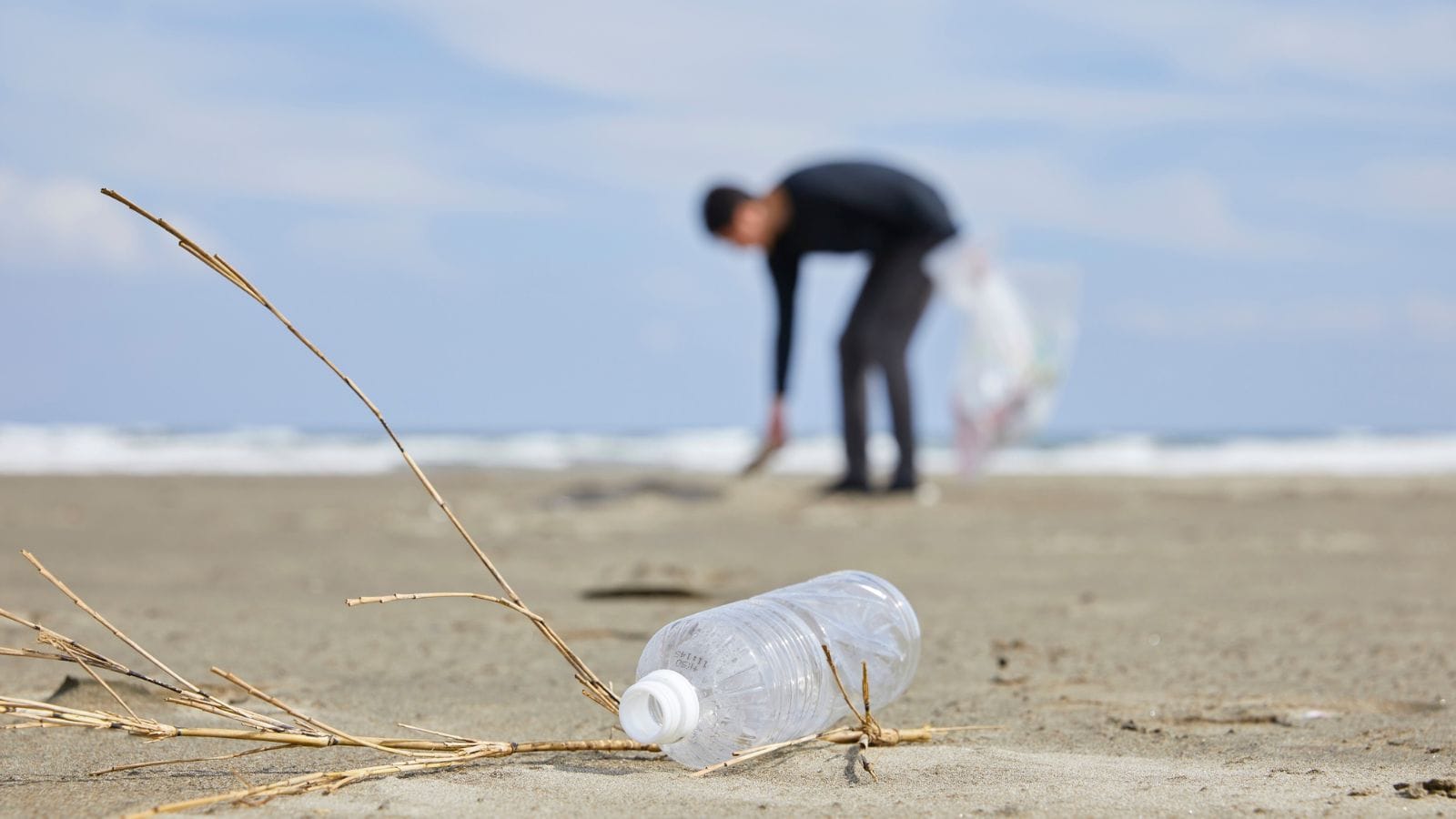
- The Experiment: A recent viral video from Romania showed a man collecting empty containers for 30 days. By walking 233.99 km over 60 hours, he gathered 1,019 bottles, earning 509.5 lei ($116.42).
- The Professionals: In Australia, “professional recyclers” have reported much higher figures. One collector stated he averages AU$1,500 per month, even hitting $2,000 during peak periods.
- The Long Game: Over seven years, another Australian recycler saved $46,000—enough for a home down payment—simply by redeeming roughly 450,000 containers.
10%
The drop in city litter within just one year of DRS implementation.
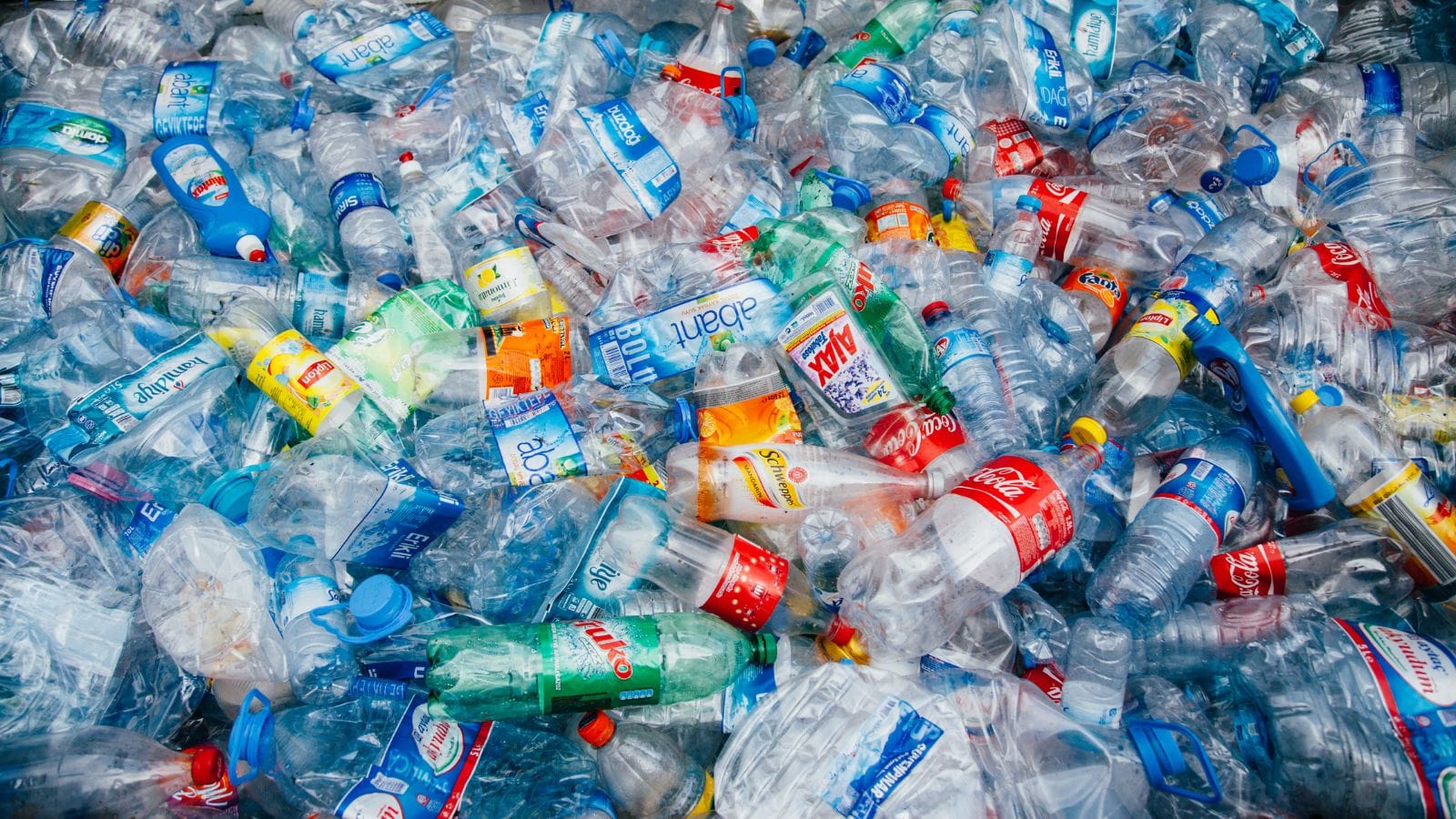
The environmental impact of a DRS is almost immediate. In Ireland, just one year after launching their scheme, a survey found a 10% drop in the prevalence of cans and plastic bottles in towns and cities.
However, the impact outside of urban centers is often even more dramatic:
- Slovakia: Within two years of launching its DRS in 2022, the country saw a 72% reduction in plastic bottle litter and a 75% decrease in can litter.
- Global Average: Regions with container deposit laws have, on average, 54% less beverage container litter than those without them.
56 Years
The age of the world’s first government-mandated DRS.
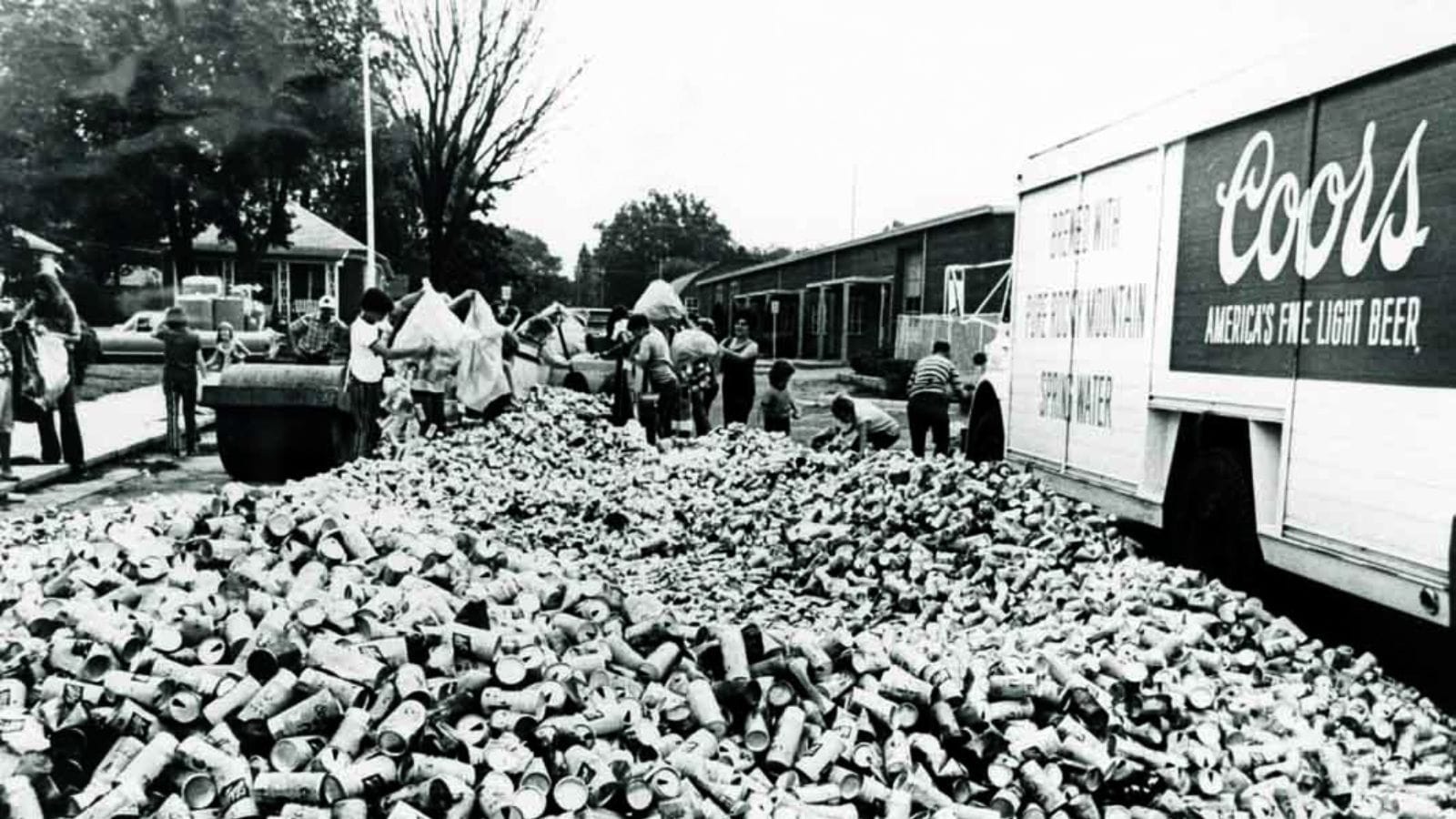
While DRS feels like a modern trend, it actually dates back to 1970. British Columbia, Canada, introduced the first legislated, province-wide system designed specifically as a public policy tool to fight litter.
Why was this revolutionary?
- Mandatory: It wasn’t a voluntary industry trial; it was law.
- Single-Use Focus: It targeted disposable containers, not just refillable glass.
- Litter Reduction: It shifted the focus from cost recovery to environmental protection.
This 56-year-old model serves as the blueprint for the modern “producer-responsibility” frameworks we see today.
396 Million People
The global population currently living in regions with a functioning DRS.

What began as a regional experiment in Canada has gone global. As of 2025, over 60 countries or states have active systems.
| Period | Milestone |
| 2020–2024 | 10 new DRS programs launched (fastest growth in history). |
| By End of 2027 | Nearly 600 million people will have access to DRS. |
| New Adopters | Turkey, Singapore, Portugal, Uruguay, and the UK. |
European regulations are now mandating these schemes to help member states reach the ambitious 90% collection target for plastic bottles by 2029.
$272 Million
The massive scale of “Unredeemed Deposits.”
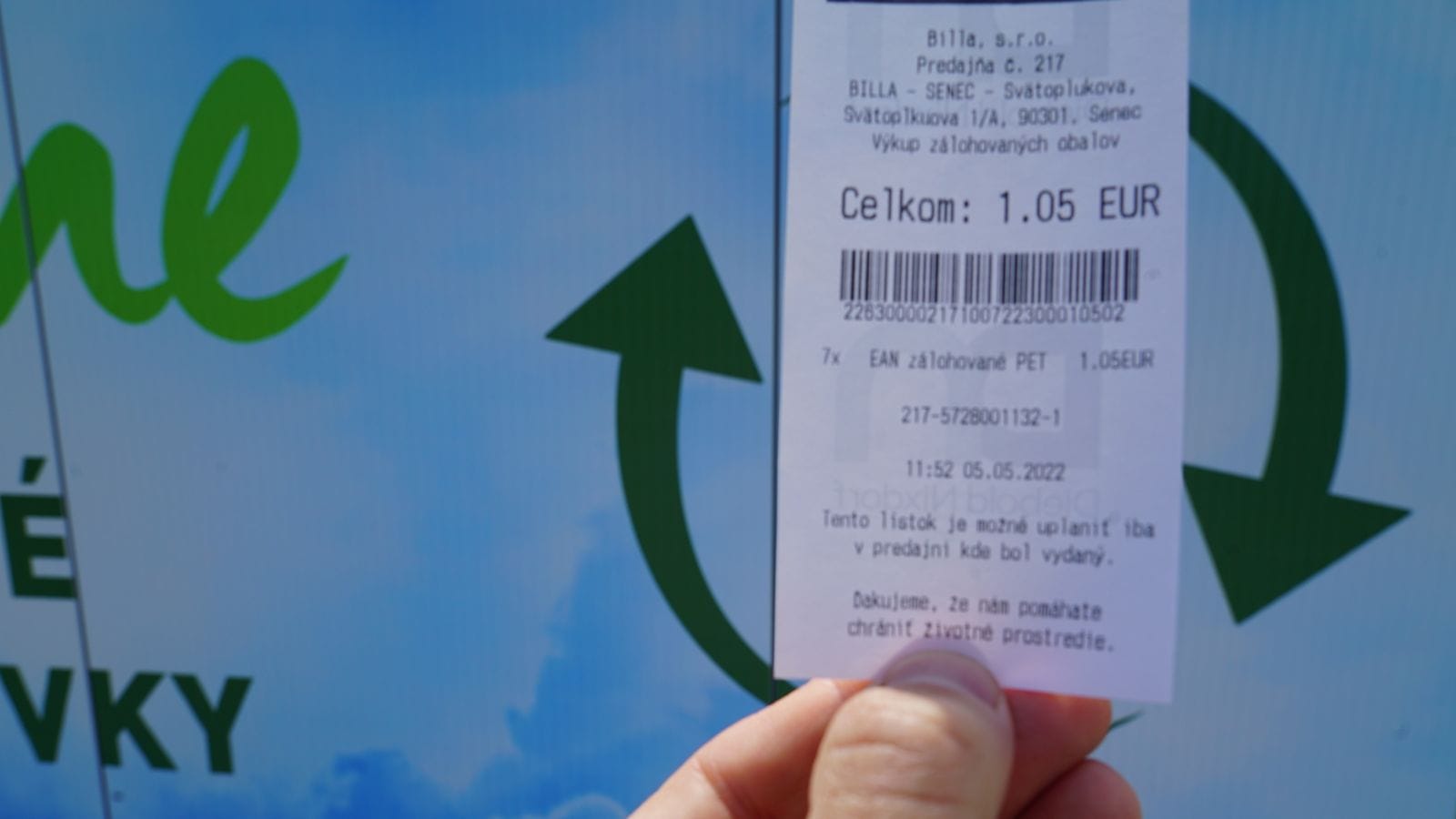
When consumers don’t return their containers, the “unclaimed deposits” (sometimes called escheats) add up to massive sums. This revenue is often used to fund the system’s infrastructure.
- California: Reported approximately $272 million in unredeemed value for the 2023-24 fiscal year, due to its massive market size.
- Germany: Despite a world-leading 98% return rate, the 2% that isn’t returned still equals roughly €82 million ($89 million) annually because of the sheer volume of containers sold.
- Lithuania: In a smaller market with a 92% return rate, unredeemed deposits total about €5.3 million per year.
$10,000–$25,000
The price of a single Reverse Vending Machine (RVM).
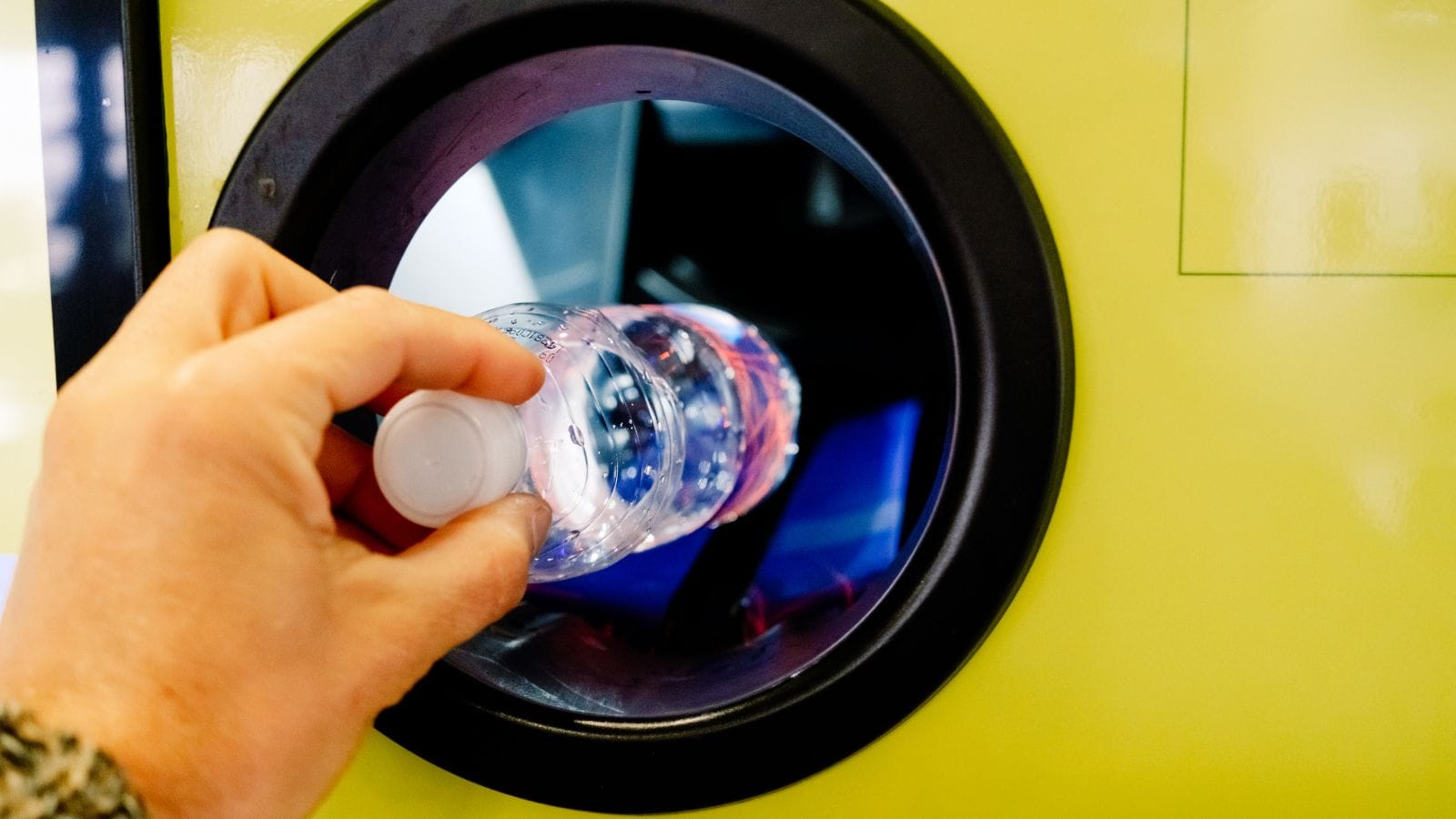
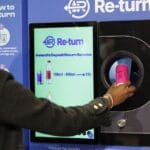
The high-tech machines you see in supermarkets are significant investments. Depending on brand, size, and functionality (such as compaction or sorting), a single mid-range machine costs on average between $10,000 and $25,000 according to recyclingtoday.org.
While the upfront CAPEX is high, RVMs are the most efficient way to handle high-volume returns, providing a seamless experience for consumers and automated data tracking for operators.
High investment and maintenance costs for Reverse Vending Machines are major barriers to global DRS adoption. Consequently, more efficient alternatives are on the rise. Smart DRS evolves the traditional model by integrating digital tracking with flexible infrastructure. Its Smart Collection Points provide a cost-effective, user-friendly alternative to RVMs for secure and rapid container returns.
Sources:
The Guardian, Reloop Platform, Resource.co, Irish Mirror, abc.net.au, CalRecycle:Semi-Annual Report on the Status of the Beverage Container Recycling Fund (January – June 2024)., Michigan Department of Treasury:Annual Bottle Deposit Escheats Report (2024)., Government of British Columbia – Litter Act (1970), Container Recycling Institute – History of Bottle Bills

Smart Waste Newsletter
Get monthly updates from our company and the world of waste!