











Producer Responsibility Organizations (PROs): Their Role and Importance
What Are Producer Responsibility Organizations (PROs)?
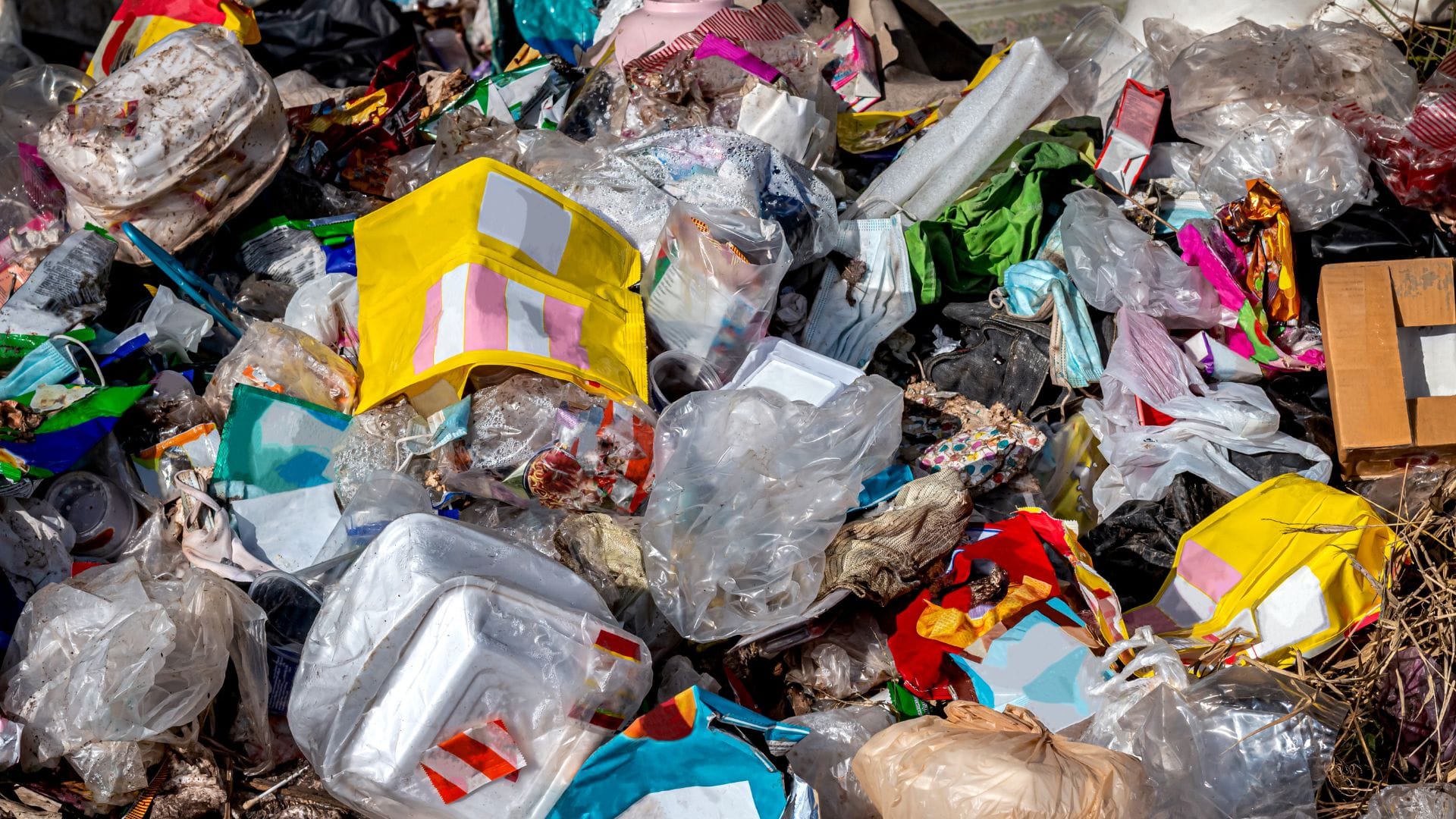
Producer Responsibility Organizations, or PROs, are groups that help manage how products are handled when they reach the end of their use. Usually, PROs operate as nonprofit groups or organizations led by industries. They take care of shared duties for producers, especially when it comes to products like packaging, electronics, and batteries. PROs set up systems so these items are collected, recycled, or safely disposed of after consumers finish using them. By handling these tasks together, PROs make it easier for producers to follow laws and rules called Extended Producer Responsibility (EPR) regulations.
Core Functions of PROs
PROs take on several important tasks:
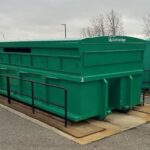
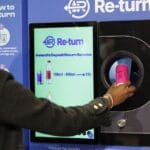
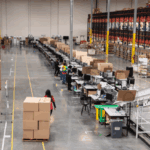
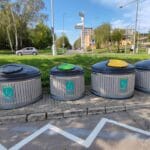
- Coordinating Collection and Recycling: PROs create and manage ways for collecting used products. They often work with local governments, recycling companies, and waste management services to make sure products are picked up and processed the right way.
- Financing Waste Management: PROs collect fees from the companies that make the products. They use these funds to pay for recycling programs, collection sites, processing centers, and to cover their own administrative costs.
- Regulatory Compliance and Reporting: PROs make sure all legal requirements are followed. This includes gathering data, reporting how much material gets recycled, and sending the necessary paperwork to government agencies.
- Education and Outreach: Many PROs run information campaigns to help the public understand how to recycle or dispose of products correctly. These efforts encourage more people to take part in recycling programs.
Historical Context and Evolution
The idea behind PROs comes from a policy known as Extended Producer Responsibility (EPR). EPR started in the late 1900s as a way to deal with the problems caused by product waste. At first, governments and taxpayers handled most waste. EPR changed this by making the companies that make the products responsible for what happens to them after use. This approach began in Europe and Asia in the 1990s. It aimed to increase recycling rates, cut down on landfill use, and encourage the design of better products.
As more countries adopted EPR policies, PROs formed to help companies work together to meet these new responsibilities. The first PROs focused on packaging waste, but soon their work covered electronics, batteries, tires, and other items. In North America, new laws in states and provinces sped up the creation of PROs for different product types. Now, PROs help support recycling and sustainable use of materials in many industries.
EPR Legislation, Government Roles, and Regulatory Impact on PROs
Scope of EPR Legislation in North America
Extended Producer Responsibility (EPR) laws in North America are changing quickly. These laws move the responsibility for managing products after use from local governments and taxpayers to the companies that make or sell those products. By 2025, seven U.S. states—Maine, Oregon, Colorado, California, Minnesota, Maryland, and Washington—will have strong EPR packaging laws. In Canada, each province sets its own EPR rules. British Columbia and Ontario have the most developed programs. Most EPR laws cover materials such as paper, plastics, glass, metals, and single-use packaging. However, the exact rules and any exceptions can vary from place to place.
Governmental Roles in EPR Systems
In both the United States and Canada, the national governments set broad environmental goals. They give state or provincial governments the job of creating and enforcing EPR laws. State and provincial agencies carry out several main tasks:
- They decide which products and companies must follow EPR rules.
- They review and approve Producer Responsibility Organizations (PROs), which are also known as Stewardship Organizations.
- They set targets for recycling and reducing waste.
- They check compliance by requiring companies to register, report activities, and submit to audits.
- They issue penalties, such as fines and limits on selling products, if companies do not follow the rules.
Regulatory Impact on PROs
Producer Responsibility Organizations (PROs) help companies follow EPR laws. Usually, if a company sells materials covered by EPR laws in a state or province, it must join a PRO that the government has approved. PROs are typically nonprofit groups. Their main jobs include:
- Planning and running systems for collecting, recycling, and processing waste materials.
- Charging member companies fees, which depend on how much material each company adds to the market and what type of material it is.
- Sending detailed reports to government agencies about material collection, recycling rates, and how fees are set.
- Reaching recycling goals and making sure that covered materials can be recycled or composted within certain deadlines.
In most areas, companies above a certain size must join a PRO. Some states, such as Oregon and Minnesota, do not allow companies to comply on their own. In these places, joining a PRO is the only option. The rules set strict deadlines for registration and regular reporting. If companies do not comply, they can face fines or lose access to the market.
Performance Targets and Financial Mechanisms
EPR laws ask PROs to set recycling or waste diversion goals, but government agencies must approve these targets. For example, California requires that all packaging covered by its EPR law must be recyclable or compostable by 2032. There are also smaller goals to meet along the way. Producers pay fees that match the amount and type of packaging they place in the market. These fees cover the costs of running the recycling and waste management systems. In some places, like Maine, fees go straight to local recycling programs instead of through a PRO.
Summary of Regulatory Trends
EPR laws in North America are making producer involvement in waste management more consistent. At the same time, they allow each region to adjust the rules to fit local needs. Government agencies approve PROs, decide how companies must follow the rules, and check that companies use their fees to meet recycling and waste reduction targets. As more states and provinces pass EPR laws, the rules are becoming more similar across the region. This trend is expanding the types of materials covered and increasing the responsibility for all companies involved.
Organizational Models, Stakeholder Roles, and Funding Mechanisms
PRO Organizational Structure Models
Producer Responsibility Organizations (PROs) in North America usually operate as nonprofit organizations. These nonprofits focus on sectors such as packaging, electronics, and hazardous materials. They use the fees they collect to fund collection, recycling, and education programs. In some cases, certain product sectors or regulatory rules allow PROs to work as for-profit service providers. Most PROs have a board of directors made up of representatives from the companies that participate. Dedicated staff or outside companies handle daily operations, including logistics and recycling. Sometimes, a group of manufacturers creates a PRO together to meet legal requirements. In other situations, industry trade associations set up PROs to represent wider market groups.
Stakeholder Roles in PRO Systems
- Producers: If regulations require it, producers must join PROs when they sell covered products. Producers pay membership fees to fund the collection and processing of products at the end of their use. They also need to report accurate information about their sales or the types of products they sell.
- PROs: PROs organize and manage collection programs. They oversee recycling or safe disposal, keep records to ensure compliance, and submit required reports to authorities. In addition, PROs run campaigns to inform consumers and make sure that fees are used as outlined.
- Governments: Government agencies give PROs permission to operate. These agencies track and review PRO activities to make sure they follow Extended Producer Responsibility (EPR) laws. They set targets, create reporting rules, and issue penalties if organizations do not follow the rules.
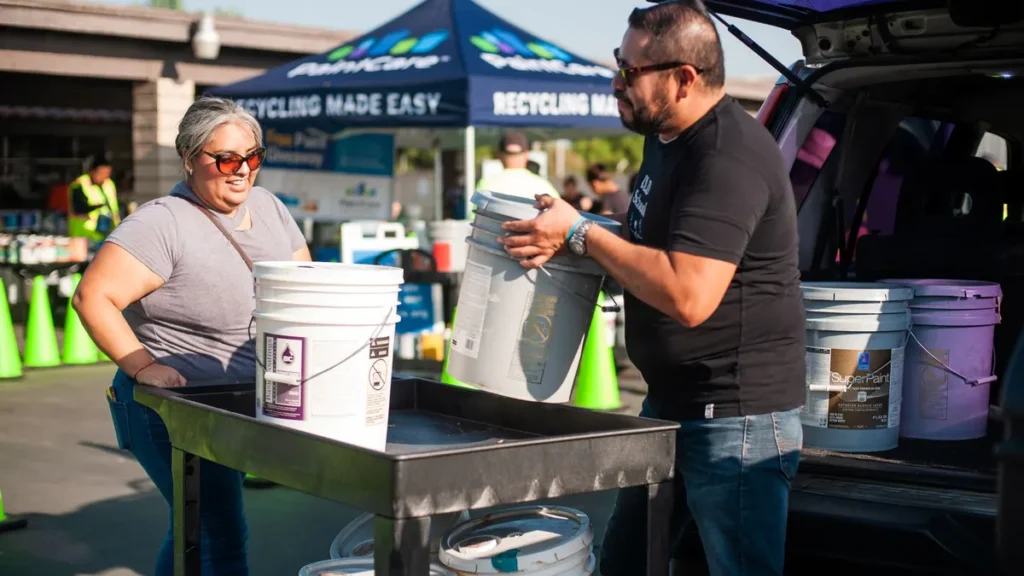
- Consumers: Consumers help the system by sorting products correctly and returning them to collection points. Their actions help the collection and recycling process work smoothly.
Funding Mechanisms and Fee Structures
PROs get their funding mainly from eco-modulated fees. Producers pay these fees based on how much and what kind of products they put on the market. The fees cover every cost of the program, including collection, transport, recycling or treatment, administration, and public education. Some systems adjust fees (eco-modulation) to encourage better product design, charging less for items that are easier to recycle or less harmful to the environment. Regulations require PROs to report how they use fees and to share financial information regularly. This system ensures that costs are shared fairly among producers and that PROs have the money they need to run recycling programs and meet legal targets.
Environmental, Economic, and Corporate Advantages
Environmental Benefits
Producer Responsibility Organizations (PROs) deliver clear environmental benefits by boosting recycling rates and reducing landfill use. Research shows that PRO systems based on Extended Producer Responsibility (EPR) can raise recycling rates by over 60% for specific materials like packaging and electronics. When producers take responsibility for funding and managing product recovery at the end of life, PROs help keep large amounts of waste out of landfills. This process cuts methane emissions and saves natural resources. For example, if North America widely adopts PROs for plastics, you will see a decrease in the need for new raw materials and lower greenhouse gas emissions from manufacturing. PRO systems also motivate companies to design products that are easier to recycle and contain fewer harmful substances.
Economic Advantages
PROs make waste management more cost-effective. By sharing resources and organizing collection and recycling together, producers pay less per unit to manage waste. This teamwork creates economies of scale, which allows investment in better recycling technology and infrastructure. Starting and growing PROs often leads to new jobs in recycling, transportation, and related fields. Studies show that EPR and PROs help grow the market for recycled materials, encourage innovation, and support local economies. When producers, instead of taxpayers, cover waste management costs, the system matches costs more closely to each product’s impact over its life.
Corporate and Social Advantages
When companies join a PRO, they show a commitment to the environment, which matters to both customers and regulators. Businesses involved in PROs can build stronger reputations, qualify for environmental certifications, and sometimes gain advantages in getting contracts. By following EPR rules and being open about their compliance, companies avoid legal trouble and build trust with customers, partners, and the public. PROs also help communities by making recycling easier and spreading awareness about how to return products. This active engagement helps companies form better connections with people in the communities where they operate.
When you look at these environmental, economic, and corporate benefits together, you can see how PROs support the shift in North America toward a more sustainable and circular economy.
Challenges and Criticisms of PROs
Implementation Barriers
Producer Responsibility Organizations (PROs) in North America often face several obstacles when they start and operate. Different states and provinces have their own regulations, which creates a patchwork of legal rules. As a producer, you have to follow different sets of requirements for similar products depending on where you operate. This situation makes it harder to set up programs and slows down any attempt to make rules consistent across regions. Many small and medium-sized producers may not have enough staff or technical knowledge to meet all the requirements of joining a PRO. This leads to differences in how well companies follow the rules and causes inefficiencies in how the programs run. Researchers have found that many producers do not fully understand Extended Producer Responsibility (EPR) policies, and people often interpret these rules differently. These problems slow down how quickly companies adopt EPR and reduce how well the programs work.
Financial Hurdles
Setting up and running PROs requires a lot of money. You need to pay for building collection networks, upgrading recycling centers, and managing reporting systems. These costs can be especially challenging for companies with small profits or those located in areas where there are few recycling options. Typically, PROs charge fees based on how much or how heavy your products are, but this system can put more pressure on smaller producers or those selling products with low resale value. Studies show that unpredictable prices in the recycled materials market can make it hard for PROs to recover their costs, which threatens their financial stability. You may also face high administrative expenses for reporting and staying compliant, which can be especially tough if you are new to the market or have to follow several different EPR rules at the same time.
Transparency Issues
Many people question how transparent and accountable PROs are. Studies and government reviews have found that it is often unclear how PROs spend collected fees or how they track and report recycling goals. If you are involved with a PRO, you might not always know where your money goes or how your efforts are measured. Gaps in information between PROs, producers, and government agencies can make it hard to build trust and may reduce public support for EPR programs. Many experts and community members want PROs to publish financial records, undergo independent reviews, and use clear, standard methods to report environmental results. Without strong oversight, it becomes easier for financial information to stay hidden and for programs to perform unevenly. This weakens the positive impacts that PRO systems aim to create for the environment and society.
You can see that PROs in North America need to tackle these three main challenges—implementation barriers, financial hurdles, and transparency issues—to operate more effectively and support a sustainable, circular economy.
Measuring the Impact of PROs
Key Performance Indicators, Case Studies, and Continuous Improvement
Key Performance Indicators for PRO Impact Measurement
Producer Responsibility Organizations (PROs) need clear and data-based Key Performance Indicators (KPIs) to track their impact. Regulatory authorities set these KPIs to make sure PROs meet their goals. For North American PROs, such as Ontario’s Blue Box Program, common KPIs include:
- Collection Rate: This measures the percentage of materials that PROs collect from consumers for recycling, compared to the total amount put on the market.
- Recycling Rate: This shows the share of those collected materials that companies actually process into new products, compared to the targets set by regulations.
- Diversion Rate: This tells you how much waste PROs keep out of landfills because of their collection and recycling programs.
- Producer Compliance: This tracks the percentage of producers who register and meet all their reporting and payment requirements.
- Cost per Tonne Managed: This measures how much it costs to manage each tonne of material, by dividing the total program cost by the tonnes collected and recycled.
- Consumer Participation Rate: This tracks how many people take part in programs like the Blue Box, by returning materials for recycling.
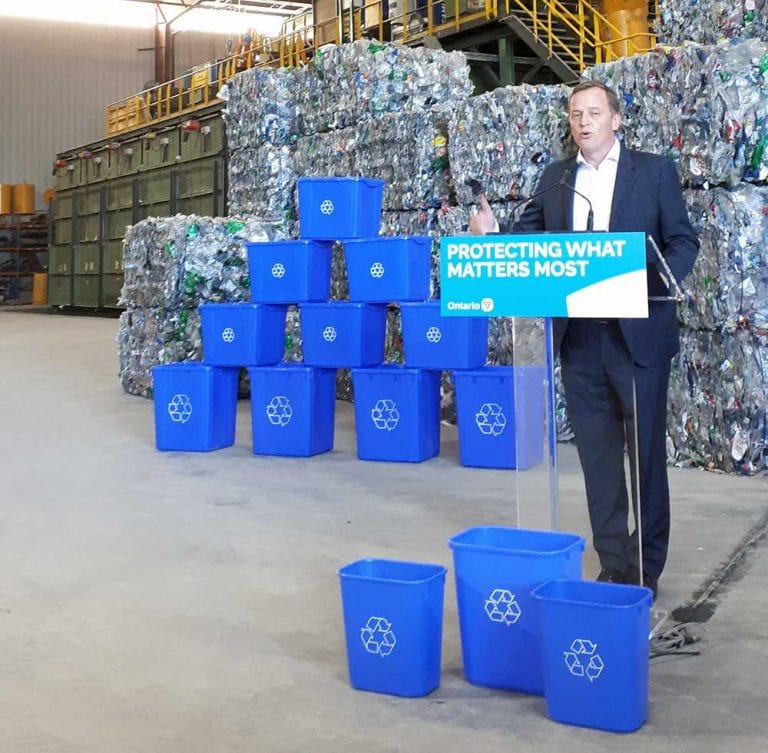
Laws like Ontario’s Resource Recovery and Circular Economy Act require these KPIs. Oversight groups such as the Resource Productivity & Recovery Authority (RPRA) monitor them regularly.
Case Study: Ontario’s Blue Box Program
Ontario’s Blue Box Program provides a clear example of how a PRO can measure impact. Data from past years shows that the program diverts more than 60% of packaging and printed paper from landfills, making it one of the top performers in North America. The program also publishes annual reports on resource recovery, compliance, and costs, making its progress easy for anyone to review.
For example, each year, the program releases detailed reports on how many tonnes of materials it collects, processes, and recycles. These numbers set a standard that other regions can compare against. Sharing these results helps improve public policies and builds trust among people involved.
Continuous Improvement in PRO Operations
PROs must always look for ways to improve. The rules require them to evaluate and upgrade their performance regularly. Here are some ways they do that:
- Annual Reporting and Audits: PROs send data to regulators every year. Third-party audits check this data and point out where the program can do better.
- Performance Reviews: Regulators review the KPIs to find ways to improve collection systems, public education, and outreach to producers.
- Stakeholder Feedback Loops: PROs work with cities, recycling companies, producers, and the public to spot challenges and make targeted changes.
- Adoption of Best Practices: By studying their own data and looking at successful programs around the world, PROs can add new technologies and better processes to increase efficiency and improve environmental results.
By measuring their impact carefully and always seeking better ways to work, PROs in North America—like those in Ontario—meet legal requirements and support broader sustainability efforts.
Policy Evolution, Technological Advances, and Circular Economy Integration
Evolving Policy Landscape for PROs
In recent years, Extended Producer Responsibility (EPR) policies have expanded across North America. These changes directly affect the work of Producer Responsibility Organizations (PROs). In 2024, seven states in the U.S. either changed or created ten new EPR laws. Many of these laws now cover a wider range of products, such as packaging, batteries, textiles, and electronic waste. Canada is working on a Federal Plastic Registry. This registry aims to create a single system for data reporting and to improve transparency in how plastics are managed. Different regions still have their own definitions and requirements for PROs. This means that the range of products covered, recycling targets, and reporting rules can vary between states and provinces.
Technological Advances Shaping PRO Operations
New technology continues to improve how PROs manage recycling. For example, advanced sorting tools now use artificial intelligence (AI) to help separate complex materials more accurately. These tools lower contamination levels and help produce higher-quality recycled materials. Chemical recycling, sometimes called advanced recycling, is another area that is changing quickly. There are different rules for these facilities. Wyoming treats them as manufacturing operations, while Maine limits their status as recycling processes. These differences affect how PROs plan their investments, follow rules, and report their activities. PROs are also testing blockchain and digital tracking platforms. These tools allow for real-time tracking of materials, which improves data accuracy and helps PROs meet regulatory requirements.
Integration of Circular Economy Principles
PROs now focus on circular economy goals in their work. This includes using resources more efficiently, designing products that are easier to recycle, and creating systems where materials can be reused. Many EPR programs have adopted eco-modulation of producer fees. This means manufacturers pay different fees based on how easy it is to recycle their products or if they use recycled materials. Examples from Ontario and British Columbia show that PROs can help grow markets for secondary materials. They do this by working with others to create incentives for product reuse and repair. These efforts help lower the amount of waste created and increase the value recovered from materials.
By keeping up with policy changes, using new technology, and following circular economy practices, PROs help shape the way materials are managed in North America.
Frequently Asked Questions (FAQs) on PROs, Participation, Funding, and Consumer Roles
What Is a Producer Responsibility Organization (PRO)?
A Producer Responsibility Organization, or PRO, is a group that manufacturers create to handle the collection, recycling, and safe disposal of certain products when they reach the end of their use. PROs help manufacturers meet legal obligations under Extended Producer Responsibility (EPR) rules by taking care of logistics, paperwork, and following regulations for all their members.
Who Is Required to Participate in a PRO?
If you are a manufacturer, brand owner, or the first company to import regulated products, you usually must join a PRO or set up your own program to collect and recycle those products. The specific requirements depend on your location and the type of products you sell, but most places make this mandatory for everyone selling covered items in that area.
How Are PROs Funded?
PROs get their funding from fees paid by producers who take part in the system. The amount each producer pays usually depends on the number, weight, or kind of products they put on the market. These fees pay for collecting, transporting, recycling, educating the public, and running the organization so the system keeps working.
What Role Do Consumers Play in PRO Systems?
You play an active part in a PRO-managed recycling system if you are a consumer. Your role includes sorting your waste correctly and taking products to collection centers or using curbside pickup programs. When more people take part, recycling rates go up and the system works better.
Are PROs Mandatory for All Producers?
In places that have EPR laws, all producers of regulated products must join a PRO. If a producer does not join, they can face fines or may not be allowed to sell their products.
How Do Producers Register with a PRO?
To register with a PRO, producers submit details about their products and sales, and pay any required fees. This is done through the PRO’s website or a government site. Registration makes sure producers follow the law and can use shared waste management services.
What Products Are Covered by PROs?
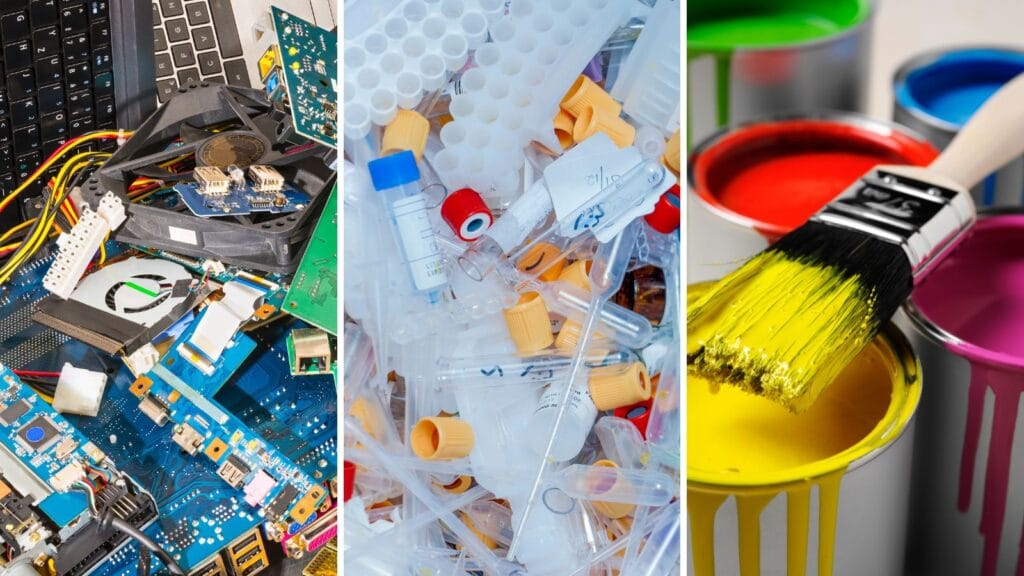
PROs usually handle items like packaging, electronics, batteries, paint, tires, and medicines. The exact products depend on local or national EPR laws, and new product types may be added as rules change.
What Challenges Do PROs Face?
PROs must deal with complicated rules, make sure costs are fair for both large and small producers, keep their work open and easy to understand, and encourage many consumers to take part. Making progress depends on clear reports, working with all involved groups, and using new technologies.
References:
- Packaging School: “Extended Producer Responsibility Laws for Packaging Around The World”
- Extended Producer Responsibility Primer: Answers to Common Questions (Institute for Local Self-Reliance, 2021)
- “Exploring the feasibility of extended producer responsibility for plastic waste in North America” (PMC12048716)
Smart Waste Newsletter
Get monthly updates from our company and the world of waste!