


Implementation of the IT System for Hungary’s Container Deposit Program
February 1, 2024
Launch date
Integration of a nationwide circular economy under one roof
Customer
MOHU MOL Waste Management Zrt. (MOHU), a subsidiary of MOL Group, was awarded a 35-year national concession starting July 1, 2023, to centralize and standardize municipal and selective waste management across Hungary, including coordination of the REpont container deposit system for beverage containers.
Its strategic goal is to advance Hungary’s circular economy by integrating the collection of municipal solid waste, selective streams, and beverage container returns under one roof, while driving the development of waste infrastructure and logistics.
Project description
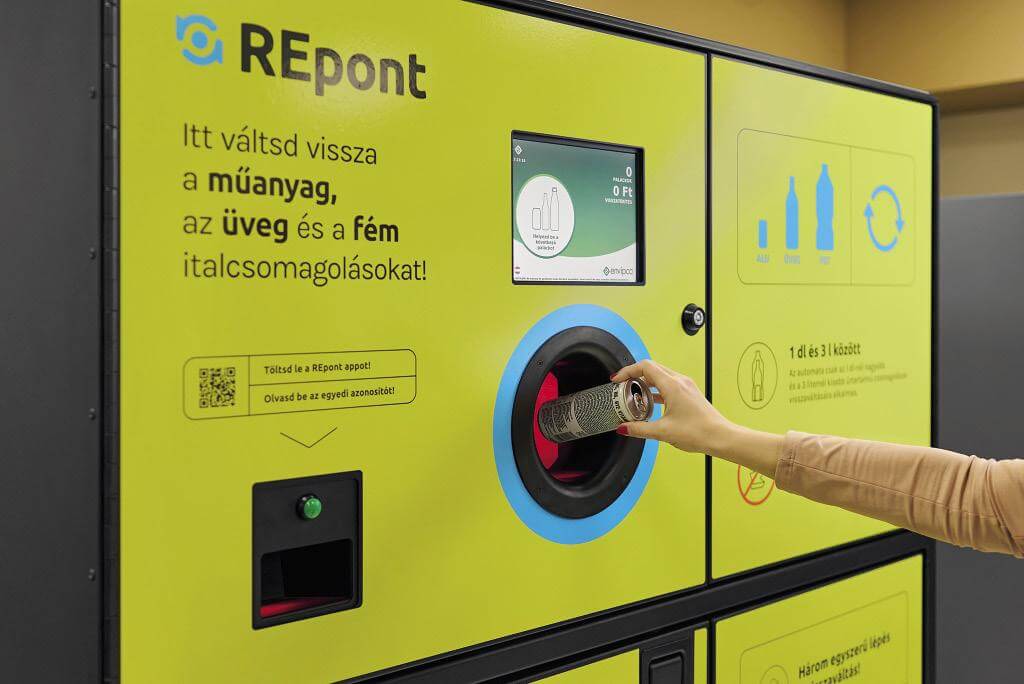
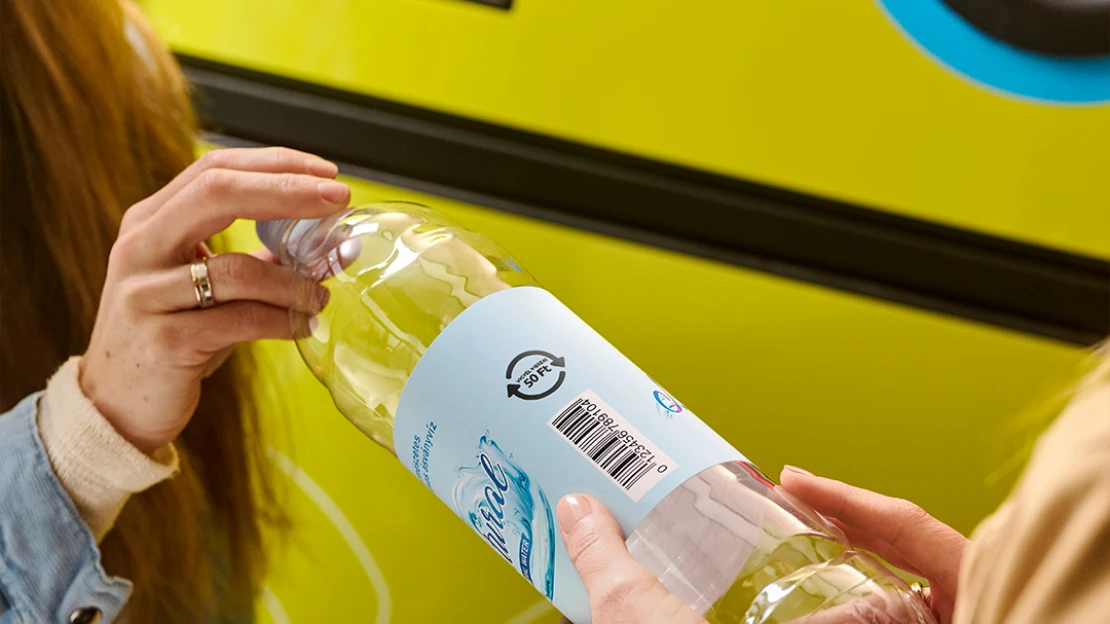
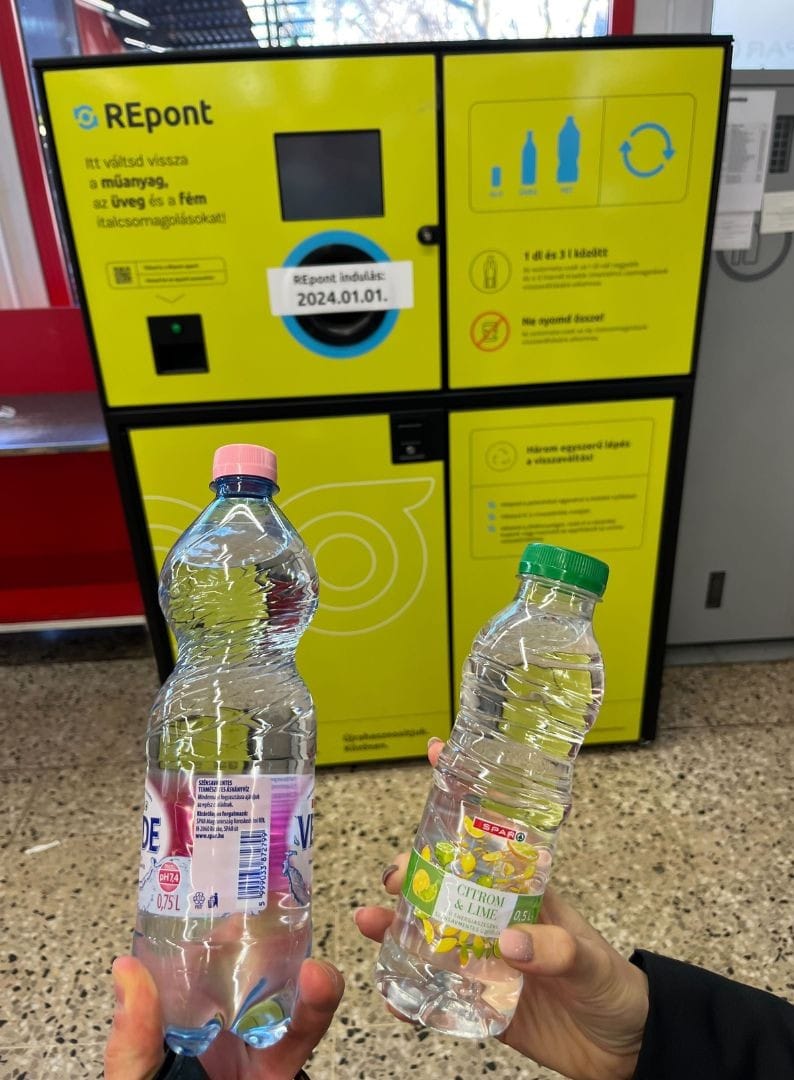
Hungary introduced a container deposit system aimed at accelerating the transition to a circular economy by increasing the supply of clean material streams and reducing the use of virgin raw materials. The goal is to recycle 90% of plastic and glass bottles and metal beverage cans within three years, MOL stressed. The system is also intended to reduce landfill use, illegal dumping, and overall environmental impact. Consumers pay a deposit of HUF 50 (€0.13), which applies to PET and glass bottles and aluminum cans ranging from 1 deciliter to 3 liters. Around 2,000 return points across the country, called “REpont,” are provided through reverse vending machines in grocery stores with a sales area of more than 400 square meters and in municipalities with more than 1,000 residents.
Return points are centralized on both the MOHU website and the REpont app. Consumers can choose how they receive their deposit refund. The value of returned containers is printed by the vending machine in the form of a voucher that can be redeemed or exchanged for cash at the store. In addition, with the help of the barcode reader built into the machine, the app allows registered customers to identify themselves using their phones and electronic customer code, and the refund is automatically credited to their bank account. The deposit can also be donated to charity by selecting the option shown on the vending machine display.
Impact
MOHU’s ambition is to reach at least a 90% return rate within three years, a threshold critical to its continued operation under forthcoming EU regulations that require nonprofit, container-deposit-exclusive operators by 2029.
Reflections on the scheme
Martin Basila, CEO of Sensoneo: “Sensoneo has extensive experience integrating IT systems for container deposit programs and is currently the only DRS IT integrator worldwide operating in multiple European countries. We are delighted that Hungary is on its way to addressing its waste challenges and reducing reliance on landfills. Consumers will also be able to donate their deposits to charity, which is a great initiative. It is an honor for us to play an important role in the success of Hungary’s container deposit system.”
The software includes modules for every activity involved in preparation, operation, and reporting. The main modules of the system include a web portal for producers and retailers, the packaging register, the collection point register, the ERP (enterprise resource planning) system, the reporting system, the document management system, interfaces with other systems (RVMs, counting and sorting centers), and mobile applications for both retailers and consumers. These modules reflect specific requirements and needs and fully meet the obligations of each stakeholder.
According to Peter Knaz, Deputy CEO at Sensoneo: “Our DRS IT solution is a perfect fit for large-scale deployment, as it provides a one-stop-shop platform for all stakeholders in the DRS system, fully integrated with the ERP system and advanced business intelligence tools, while also fulfilling all country-specific requirements. The DRS IT system in Hungary blends well into MOHU’s complex system infrastructure and brings innovative features for end users through the DRS mobile application, which eliminates cash or voucher transactions in stores. I believe that the DRS is the right step for Hungary to increase the collection of clean material streams and reduce waste pollution.”
Latest success stories

Smart Waste Newsletter
Get monthly updates from our team and the latest news from the waste management industry